



💛 A quick favor, if you've got a second.
We're really happy that you chose to read one of our stories and sincerely hope you'll stick around to read more. We took our paywall down — for now — but that won't last forever, and when the gate goes back up, we'd love for you to already be on the inside.
It's free. So please enter your email here and don't forget to like and follow us on all of your favorite Social Media platforms!
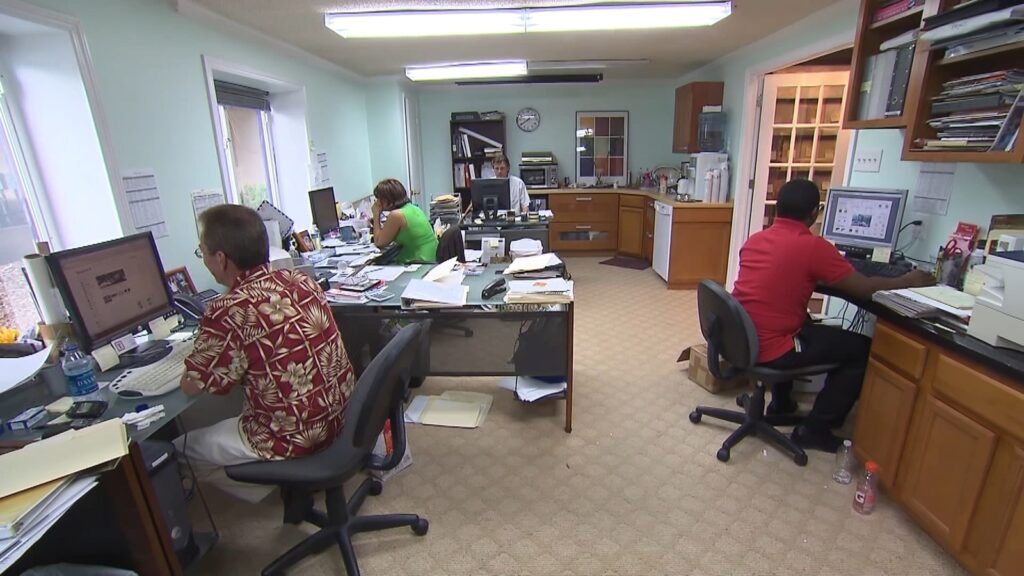
A phenomenon known as “rust out” is gaining attention among career experts and workplace analysts as employees across industries report feeling disconnected and unchallenged in their current roles. Elizabeth Schulze offers guidance for workers navigating this sense of professional stagnation, which differs markedly from burnout by focusing on underutilization rather than overwork.
The condition emerges when employees find their daily responsibilities fail to engage their skills or intellectual capacity, leading to diminished motivation and career satisfaction. Unlike burnout, which stems from excessive demands, rust out develops gradually as workers feel their talents are being underemployed in positions that no longer provide meaningful growth or stimulation.
Career specialists emphasize that recognizing the early signs of rust out—including mounting boredom, lack of enthusiasm for projects, and feelings of stagnation—allows professionals to take proactive steps toward reinvigorating their work lives before disengagement deepens.


More Stories
Modern Science Finally Supports & Strengthens Biblical Account of the Crucifixion of Jesus Christ
Nurse Killed in Hit-and-Run Collision in Brooklyn
Jeff Kent Encourages Barry Bonds to Pursue Hall of Fame Induction During Giants Ceremony