



💛 A quick favor, if you've got a second.
We're really happy that you chose to read one of our stories and sincerely hope you'll stick around to read more. We took our paywall down — for now — but that won't last forever, and when the gate goes back up, we'd love for you to already be on the inside.
It's free. So please enter your email here and don't forget to like and follow us on all of your favorite Social Media platforms!
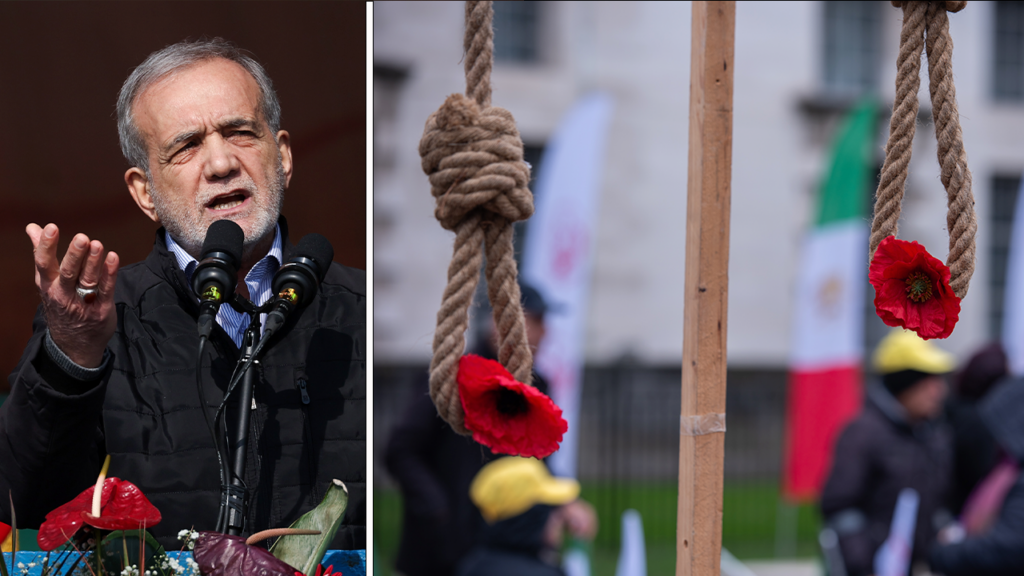
A mass hunger strike involving over 1,000 death row prisoners at Iran’s Ghezel Hesar Prison in Karaj has now stretched into its third week, with detainees resorting to extreme measures including sewing their lips shut to amplify their opposition to executions. The facility, which the United States sanctioned in 2024 for severe human rights violations, has become the focal point of mounting international criticism regarding Iran’s widespread use of capital punishment. The protest underscores deepening global concern about the Iranian government’s reliance on execution as punishment, particularly for drug-related convictions.
According to the Human Rights Activists News Agency (HRANA), the strike commenced on July 13 following the transfer of six inmates to solitary confinement in preparation for possible execution. Video evidence reportedly shows at least one prisoner stating his intention to stitch his lips closed after six days of protest yielded no response from prison authorities. The Guardian documented footage appearing to show an inmate undergoing the lip-sewing procedure using needle and thread.
The exiled opposition National Council of Resistance of Iran (NCRI) released a statement on July 27 indicating that prisoners held in Unit 2 were experiencing severe physical deterioration from the extended hunger strike. The group condemned what it characterized as the regime’s judicial system ignoring urgent medical needs and providing no substantive response to prisoner demands despite two weeks elapsing since the action began. Striking inmates have appealed to human rights organizations and international bodies to intervene to prevent further executions.
This represents the second major uprising at the facility within recent months. An earlier six-day hunger strike involving more than 1,500 inmates occurred in October 2025, concluding after senior judicial and prison leadership visited and pledged to temporarily suspend executions and reexamine cases. Human rights observers later reported those commitments went unfulfilled.
Former Secretary of State Antony Blinken cited the facility’s designation for human rights abuses in 2024, specifically highlighting severe beatings of political prisoners staging peaceful hunger strikes. According to Amnesty International, Iran executed at least 2,159 people in 2025, contributing to a global execution total of at least 2,707 across 17 nations—the highest annual count the organization has documented since 1981, excluding China where execution figures remain classified.


More Stories
Modern Science Finally Supports & Strengthens Biblical Account of the Crucifixion of Jesus Christ
Packers Running Back Josh Jacobs Placed on NFL Commissioner’s Exempt List Following Domestic Arrest
Federal Prosecutors Convene Special Grand Jury to Investigate D.C. Schools’ Attendance and Graduation Practices