


💛 A quick favor, if you've got a second.
We're really happy that you chose to read one of our stories and sincerely hope you'll stick around to read more. We took our paywall down — for now — but that won't last forever, and when the gate goes back up, we'd love for you to already be on the inside.
It's free. So please enter your email here and don't forget to like and follow us on all of your favorite Social Media platforms!
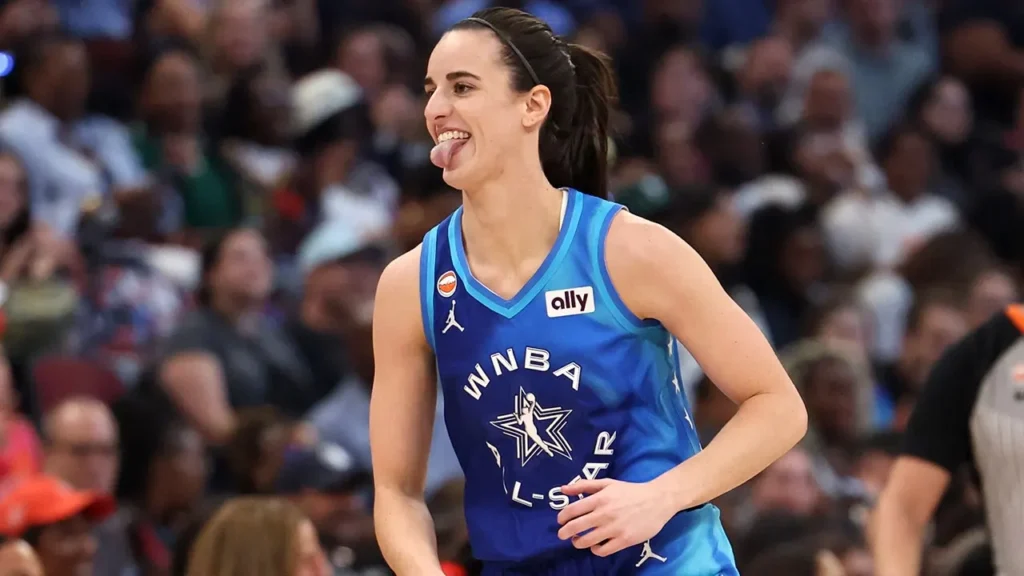
ESPN premiered “Life in the W,” a six-part documentary about the WNBA’s recent growth, during All-Star weekend, drawing minimal media attention and critical analysis. The roughly 150-minute series, produced by UNINTERRUPTED in association with Cookie Jar & A Dream Studios, focuses on three players identified as the league’s “most accomplished and influential” during what ESPN characterizes as a “groundbreaking year” for professional women’s basketball.
The documentary follows A’ja Wilson, Napheesa Collier and DeWanna Bonner through the 2025 season, capturing their personal and professional lives, family relationships, injuries and involvement in collective bargaining agreement negotiations. While the series celebrates the WNBA’s record attendance, expanded viewership and multibillion-dollar media rights deals, one glaring omission dominates the narrative: Caitlin Clark receives no formal interview and holds no central storyline despite her outsized influence on the league’s popularity surge.
Clark appears only in game footage and All-Star coverage, with commentators referencing her by name, yet the documentary never meaningfully examines her effect on the WNBA’s commercial and cultural trajectory. The Indiana Fever’s dramatic transformation into a high-attendance, high-viewership franchise is attributed to a generic “new era” rather than directly addressing Clark’s role as the primary catalyst for that change.
ESPN’s documentary team declined to clarify whether Clark was approached to participate or why she was excluded from the central subjects. A promised interview with executive producer Trishtan Williams and ESPN Originals executive producer Lindsay Rovegno never materialized despite initial offers from the show’s publicist, citing scheduling conflicts related to WNBA All-Star events.
The selective casting raises additional questions about editorial intent. Breanna Stewart, one of the sport’s most decorated active players and a WNBPA vice president, also fails to appear as a featured subject, while the three chosen subjects are all Black women. The absence of both Clark and Stewart—both white players—alongside the inclusion of Paige Bueckers, the 2025 draft’s No. 1 pick, suggests deliberate construction around representation during an era when Clark’s popularity has become entangled with broader debates about race, gender and media coverage in women’s sports.
The filmmakers could have justified their selections based on access and cooperation, yet provided no explanation for their choices. Clark’s widespread popularity presents a documented risk to any documentary attempting to explore the league’s growth: her inclusion would inevitably overshadow other narratives, while her exclusion leaves unexplained the most significant driver of the WNBA’s commercial expansion in recent years.
The series’ minimal media coverage—consisting largely of promotional rewrites, ESPN guides and television listings—suggests broader hesitation from sports outlets to engage substantively with the project’s central tensions. The documentary ultimately presents an incomplete account of the WNBA’s unprecedented ascent, with the league’s most transformative figure relegated to background status and the reasoning behind that editorial choice deliberately obscured from public scrutiny.

More Stories
Indiana coach Curt Cignetti tells restless Hoosiers fans not to gripe over 38-0 win
Trump Threatens FCC Action Against NBC’s Welker Over Endorsement Coverage
Packers Running Back Josh Jacobs Placed on Commissioner Exempt List Pending Misdemeanor Charges