

💛 A quick favor, if you've got a second.
We're really happy that you chose to read one of our stories and sincerely hope you'll stick around to read more. We took our paywall down — for now — but that won't last forever, and when the gate goes back up, we'd love for you to already be on the inside.
It's free. So please enter your email here and don't forget to like and follow us on all of your favorite Social Media platforms!
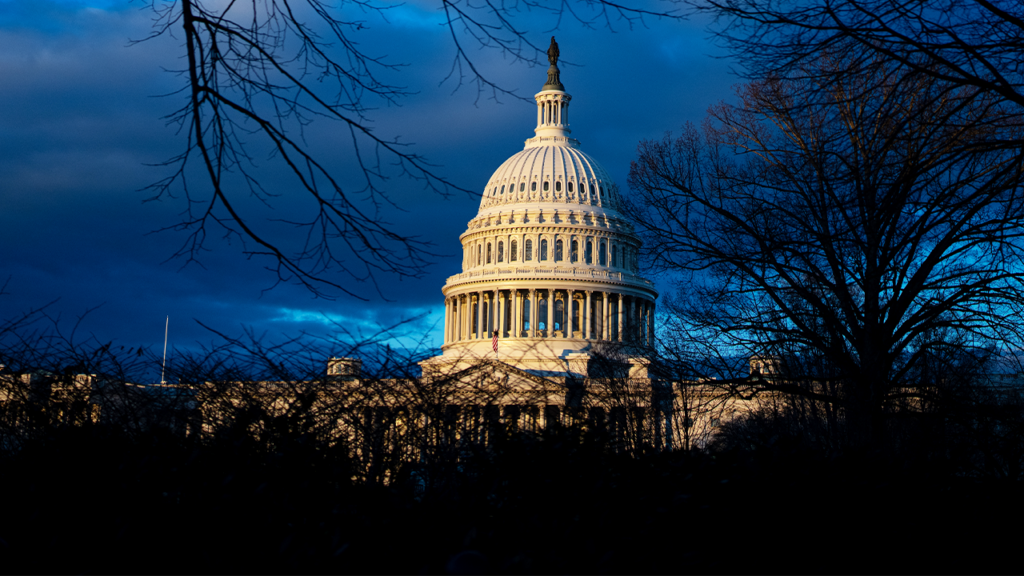
The House of Representatives approved the Sunshine Protection Act on a 308-117 vote this week, advancing legislation that would eliminate seasonal clock changes and make Daylight Saving Time permanent across the nation. The bill represents a significant legislative effort to settle a long-debated policy question that continues to generate divergent public views.
Rep. Vern Buchanan of Florida, who championed the legislation, argued that public sentiment supports the proposal. Polling data cited by Buchanan indicates roughly two-thirds of Americans favor ending the twice-yearly time shifts, pointing to benefits including extended evening daylight that promotes recreational activities and outdoor pursuits.
Florida Rep. Gus Bilirakis co-sponsored the measure, characterizing the semiannual adjustment as outdated and unsuitable for modern society. Bilirakis questioned why the nation continues to impose operational disruptions on families and businesses twice yearly.
Support from President Donald Trump has strengthened the bill’s momentum. Trump has publicly criticized the practice as absurd, and Sen. John Kennedy of Louisiana indicated this week that Trump appears willing to sign such legislation, suggesting the Senate may act expeditiously.
Opposition has emerged from some corners of Congress. Rep. Madeleine Dean, a Pennsylvania Democrat, delivered the lone formal objection during House debate, arguing that lawmakers should prioritize addressing inflation, healthcare costs, and energy concerns over this measure.
Dean referenced a cautionary historical precedent from 1973, when Congress implemented permanent Daylight Saving Time nationwide to address an oil embargo and fuel shortage crisis. The initiative quickly lost public backing, with support plummeting from 79 percent in December 1973 to 42 percent by August 1974.
The policy created hardship for students in Washington, D.C. and other communities who traveled to school before sunrise, sometimes requiring flashlights to navigate darkness. Public disapproval prompted then-future Senate Majority Leader Bob Dole to advance repeal legislation, which Congress passed rapidly.
The current proposal is not without precedent. The Senate passed similar legislation in 2022 that never received House consideration. This week’s House approval demonstrates renewed legislative determination to advance the proposal.
If the Senate approves the bill and Trump signs it, Americans would observe Daylight Saving Time year-round without seasonal adjustments. The change would fundamentally alter how daylight is distributed throughout the calendar year.

More Stories
Federal voting arrest in New Jersey adds new pressure point in Sherrill-Trump standoff
Colombia backs Trump security push while limiting U.S. role in anti-gang operations
Former NFL cheerleader and ex-aide face off in close Rhode Island GOP primary