

💛 A quick favor, if you've got a second.
We're really happy that you chose to read one of our stories and sincerely hope you'll stick around to read more. We took our paywall down — for now — but that won't last forever, and when the gate goes back up, we'd love for you to already be on the inside.
It's free. So please enter your email here and don't forget to like and follow us on all of your favorite Social Media platforms!
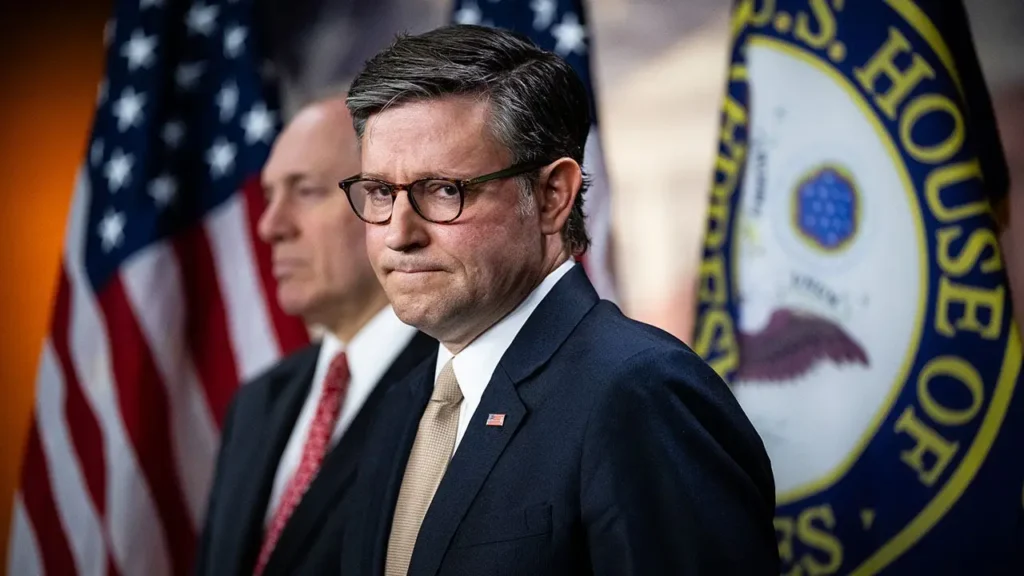
The House of Representatives is attempting to move through a packed legislative agenda on what amounts to its final working day before the August recess, pushing forward on multiple fronts that could shape congressional action through the fall election cycle. With limited time remaining before the chamber disperses, lawmakers are consolidating several major initiatives into a concentrated effort that reflects the compressed nature of modern legislative scheduling.
Late yesterday, the House approved a temporary spending measure that would extend current funding levels through December 4, effectively sidestepping an October government shutdown. The legislation maintains existing budget allocations without introducing new expenditures, an approach favored by fiscal conservatives who view it as a mechanism for constraining spending growth. However, the measure now faces an uncertain path in the Senate, where Democrats are unlikely to support a bill crafted without their input.
The centerpiece of today’s action involves adopting a budget framework that would enable the Senate to consider the SAVE America Act through the reconciliation process, a procedural mechanism that bypasses the filibuster and requires only a simple majority. Republicans plan to load the resulting bill with tens of billions in funding for the ongoing conflict in Iran and Pentagon munitions replenishment, alongside agricultural spending provisions. Senate Majority Leader John Thune indicated he may use this reconciliation package to fund the government unilaterally if Democrats reject the House’s interim spending plan.
In a separate measure, the House plans to vote today on legislation that would outright prohibit members from trading individual stocks, expanding on the 2010 STOCK Act signed by President Obama. House Minority Leader Hakeem Jeffries has expressed opposition, arguing the ban should apply government-wide rather than to the House alone. The outcome of this vote remains uncertain as the chamber grapples with competing legislative priorities.

More Stories
Colombia backs Trump security push while limiting U.S. role in anti-gang operations
Chicago Mayor Issues Executive Order Requiring Contractor Diversity Disclosures and ICE Ties Reporting
University of Pennsylvania Climate Scientist Demands Supreme Court Packing Pledge From Democratic Candidates