


💛 A quick favor, if you've got a second.
We're really happy that you chose to read one of our stories and sincerely hope you'll stick around to read more. We took our paywall down — for now — but that won't last forever, and when the gate goes back up, we'd love for you to already be on the inside.
It's free. So please enter your email here and don't forget to like and follow us on all of your favorite Social Media platforms!
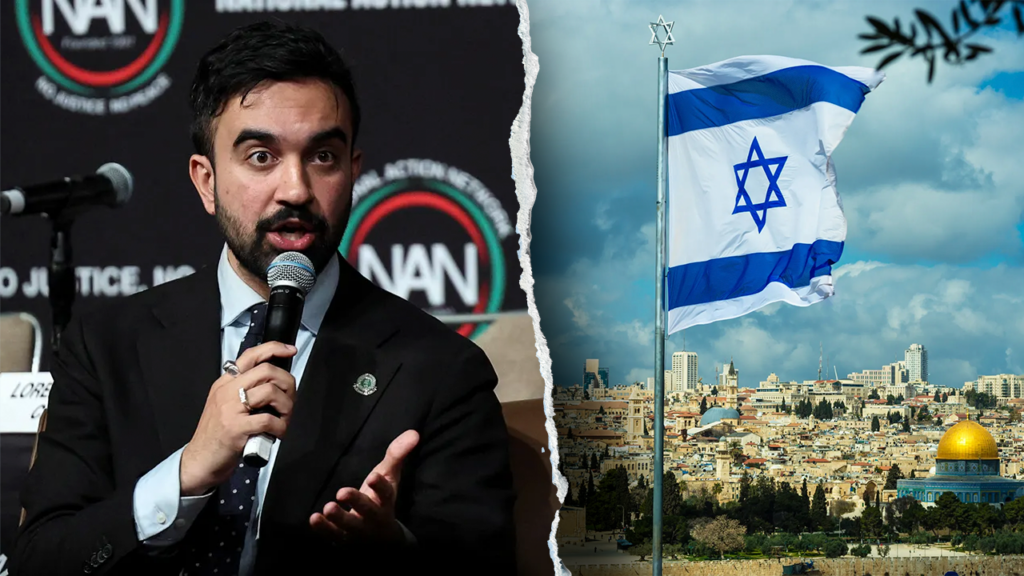
Since taking office as New York City’s mayor, Zohran Mamdani has devoted considerable attention to international affairs centered on Israel, raising questions about his governing priorities. The socialist Democrat has made the Israeli government and Prime Minister Benjamin Netanyahu focal points of his administration’s early actions, despite the city facing urgent challenges in housing affordability, public safety and infrastructure.
Mamdani initially pursued a controversial initiative to arrest Netanyahu if the Israeli leader visited New York for the United Nations General Assembly, later acknowledging he lacked legal authority to execute such an action. The proposal highlighted what critics see as a disproportionate focus on Middle Eastern politics at the expense of addressing New Yorkers’ immediate concerns about crime on subways, deteriorating streets and failing schools.
The administration’s Israel-related decisions have accumulated rapidly. It revoked the city’s adoption of the International Holocaust Remembrance Alliance’s working definition of antisemitism, arguing the definition could restrict legitimate criticism of Israeli policy. Simultaneously, it rolled back an executive order from Mayor Eric Adams that had prevented city agencies from discriminating against Israel and Israeli-linked businesses in municipal contracting.
Reports also emerged that Mamdani’s international affairs office had proposed a meeting with Iran’s ambassador to the United Nations before abandoning the plan. The mayor stated he had not approved the meeting and called it an error, yet critics noted the contrast between willingness to engage Iranian officials and hostility toward Israel’s elected leadership.
Mamdani’s political alignment with progressive movements increasingly centered on Israel criticism has drawn particular scrutiny. Jewish New Yorkers, who represent the largest such community outside Israel, report experiencing these administrative actions as targeting their heritage and identity rather than ordinary policy disagreement.
The pattern has unsettled some of the Jewish voters who supported Mamdani’s election. While exit polling suggests most Jewish voters backed Andrew Cuomo, a meaningful minority of younger and progressive Jews voted for Mamdani, often prioritizing housing affordability and the belief that municipal politics should remain distinct from Middle Eastern affairs.
The consequences have manifested across New York’s Jewish institutions, which have increased security measures at schools and synagogues while Jewish students report concerns about expressing connections to Israel. For many in the community, the mayor’s repeated focus on Israel represents something beyond standard political disagreement.
New York voters elected Mamdani to address crime, housing costs, transit dysfunction and municipal services. Instead, the mayor has demonstrated an extraordinary commitment to debating the legitimacy of a nation located nearly 6,000 miles away, leaving New Yorkers to question whether his priorities align with the challenges facing the five boroughs.

More Stories
Federal voting arrest in New Jersey adds new pressure point in Sherrill-Trump standoff
Colombia backs Trump security push while limiting U.S. role in anti-gang operations
Former NFL cheerleader and ex-aide face off in close Rhode Island GOP primary