


💛 A quick favor, if you've got a second.
We're really happy that you chose to read one of our stories and sincerely hope you'll stick around to read more. We took our paywall down — for now — but that won't last forever, and when the gate goes back up, we'd love for you to already be on the inside.
It's free. So please enter your email here and don't forget to like and follow us on all of your favorite Social Media platforms!
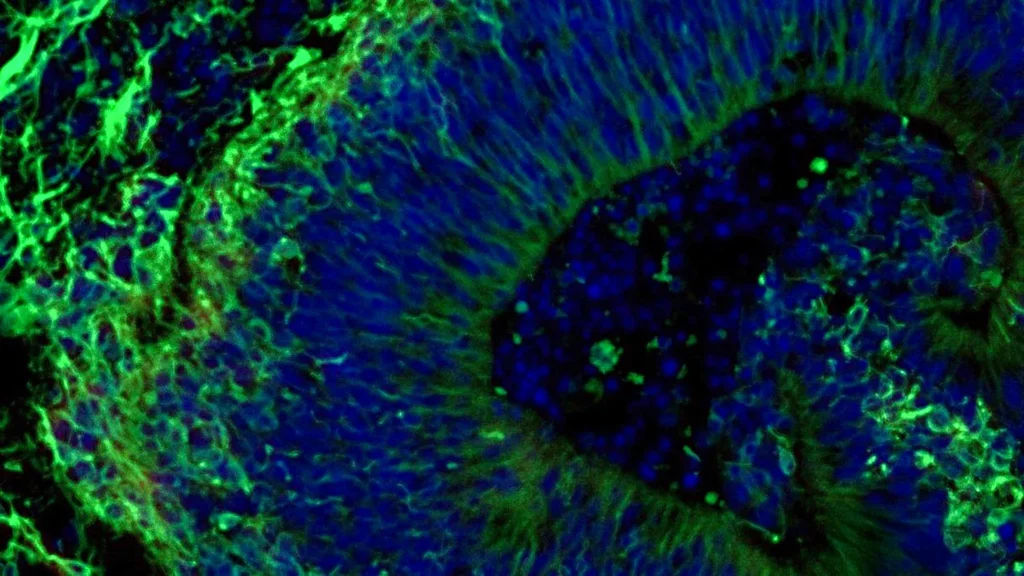
Researchers have developed tiny brain models using patient-derived cells that demonstrate substantial variation in how Alzheimer’s-related brain tissue reacts to a common antidepressant medication. The discovery could pave the way for more customized treatment strategies and offer fresh diagnostic possibilities for the degenerative neurological condition.
These laboratory-created organoids, along with biological materials they produce and release, may serve as a valuable tool to identify which therapeutic approaches will prove most effective for individual patients. The findings underscore the potential of using patient-specific cellular models to understand drug response at the molecular level.
The research highlights how brain organoid technology could fundamentally change the approach to Alzheimer’s treatment by moving away from one-size-fits-all therapies toward interventions tailored to each patient’s unique biological profile and disease characteristics.

More Stories
New York Health Officials Sound Alarm Over Rising Measles Cases as School Year Approaches
CareCloud Breach Compromises 3.75 Million Patient Records, Among Largest Healthcare Data Thefts of 2026
Month-Long HEPA Use Linked to Faster Cognitive Processing in Middle-Aged Adults