


💛 A quick favor, if you've got a second.
We're really happy that you chose to read one of our stories and sincerely hope you'll stick around to read more. We took our paywall down — for now — but that won't last forever, and when the gate goes back up, we'd love for you to already be on the inside.
It's free. So please enter your email here and don't forget to like and follow us on all of your favorite Social Media platforms!
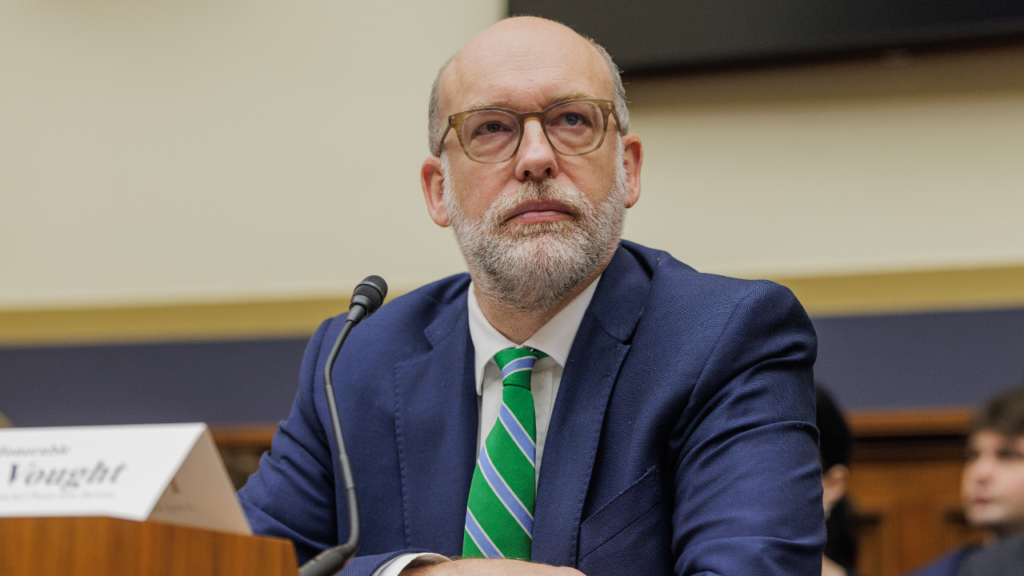
Russell Vought, director of the Office of Management and Budget, gathered with House Republicans in a closed-door session Tuesday to shore up backing for a $95 billion spending package that would fund military operations against Iran, provide agricultural assistance and allocate resources for state election administration measures. The push came as Speaker Mike Johnson seeks to advance the Safeguarding American Voter Eligibility Act, which has stalled in the Senate, through the budget reconciliation process to circumvent Democratic opposition.
Some conservative members have expressed reservations about the bill’s lack of offsetting budget cuts to pay for the new spending commitments. During the Tuesday meeting, Vought indicated that additional spending reductions could be pursued through a fourth reconciliation bill following passage of the current legislation, according to multiple sources familiar with the discussion.
The SAVE America Act cleared the House in February and would mandate proof of citizenship for voter registration while establishing federal voter identification standards. Senate Democrats have blocked its advancement because Republicans lack the 60 votes needed to overcome a filibuster, prompting GOP leaders to pursue the reconciliation route, which requires only a simple majority.
Rep. Keith Self of Texas expressed conditional support for the package, stating he would accept the spending increases if the SAVE Act remained unchanged. However, Rep. Eric Burlison of Missouri reiterated doubts about the legislation, questioning whether Senate Republicans would preserve the citizenship verification language through final passage.
Rep. David Schweikert of Arizona challenged Vought’s approach during the meeting, expressing concerns about expanding federal expenditures without concurrent reductions elsewhere. Vought countered by citing his experience developing conservative budgets and noting that Republicans had already achieved spending cuts during the current congressional term.
Rep. Chip Roy of Texas suggested he leaned toward supporting the budget framework but demanded assurances that unpaid spending would be addressed in subsequent reconciliation legislation and that military objectives be clarified. Some Republicans questioned whether a fourth budget bill could realistically be completed before year’s end given the party’s narrow House majority.

More Stories
Colombia backs Trump security push while limiting U.S. role in anti-gang operations
Trump Threatens FCC Action Against NBC’s Welker Over Endorsement Coverage
Chicago Mayor Issues Executive Order Requiring Contractor Diversity Disclosures and ICE Ties Reporting