


💛 A quick favor, if you've got a second.
We're really happy that you chose to read one of our stories and sincerely hope you'll stick around to read more. We took our paywall down — for now — but that won't last forever, and when the gate goes back up, we'd love for you to already be on the inside.
It's free. So please enter your email here and don't forget to like and follow us on all of your favorite Social Media platforms!
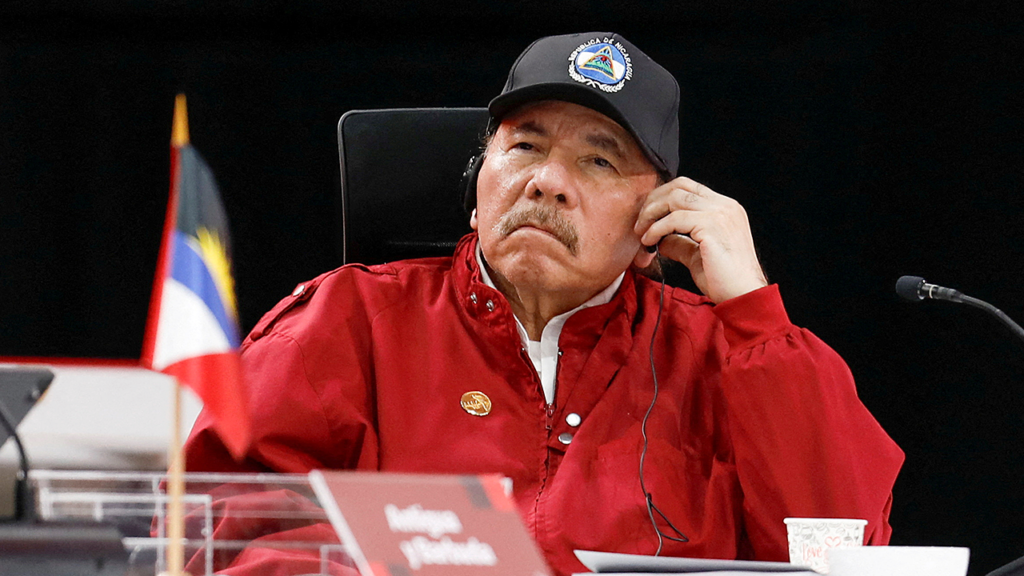
Nicaraguan President Daniel Ortega announced Sunday that his nation will abandon electoral processes entirely, effectively shutting down any mechanism through which opposition forces could challenge his rule. The declaration came during a speech marking the 45th anniversary of the 1979 Sandinista revolution, in which Ortega participated in toppling the U.S.-backed Somoza dictatorship.
“There won’t be any more elections here for them to try to seize the government and seize power,” Ortega stated, adding that the era of parties backed by the United States or aligned with the former Somoza regime had permanently ended. His current presidential term extends through 2027, and Ortega has governed Nicaragua since 2007, with prior leadership during the 1980s making him the country’s longest-serving chief executive.
The pronouncement represents the culmination of years of democratic deterioration under Ortega and his wife, Rosario Murillo, who jointly control the Central American nation’s governmental apparatus. Constitutional reforms enacted in 2025 extended presidential terms from five to six years, elevated Murillo from vice president to “co-president,” and consolidated legislative, judicial and electoral authority under presidential control.
The Trump administration has designated the Ortega-Murillo government a dictatorship and imposed sanctions on officials and their associates, while restricting visa access for more than 2,350 Nicaraguan government personnel and family members. Secretary of State Marco Rubio stated in June that the United States supports Nicaraguans seeking a free nation.
Opposition candidates, civic leaders and journalists faced mass arrests prior to the disputed 2021 presidential election, during which the Biden administration said Ortega unlawfully awarded himself another term. A United Nations expert group has documented systematic human rights violations and alleged crimes against humanity perpetrated by the government.
Previous electoral cycles in 2011, 2016 and 2021 saw Ortega effectively eliminate meaningful electoral competition, according to Salvador Marenco, coordinator of the Costa Rica-based Nicaragua Nunca Más Human Rights Collective. Prominent opposition figures have been imprisoned, exiled or stripped of citizenship, while opposition parties and independent organizations lost legal status.
A 2018 government crackdown on anti-government demonstrations killed more than 300 people, international human rights organizations reported. The Ortega-Murillo administration now exercises complete authority over the armed forces, police, judiciary and all major state institutions.

More Stories
Federal voting arrest in New Jersey adds new pressure point in Sherrill-Trump standoff
Colombia backs Trump security push while limiting U.S. role in anti-gang operations
Former NFL cheerleader and ex-aide face off in close Rhode Island GOP primary