


💛 A quick favor, if you've got a second.
We're really happy that you chose to read one of our stories and sincerely hope you'll stick around to read more. We took our paywall down — for now — but that won't last forever, and when the gate goes back up, we'd love for you to already be on the inside.
It's free. So please enter your email here and don't forget to like and follow us on all of your favorite Social Media platforms!
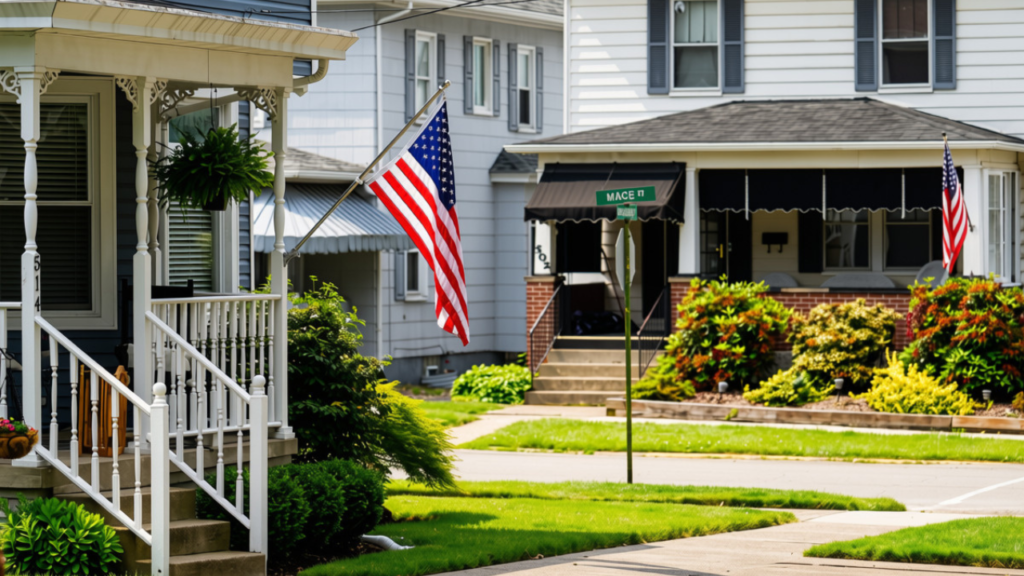
The cost of entering the housing market has reached unprecedented levels, with prospective first-time buyers now requiring annual household incomes of approximately $78,000 to purchase a typical starter home—a dramatic shift from the $43,000 needed in 2019, according to data released by Realtor.com. This 80% surge in required income has substantially outpaced wage growth and created barriers that keep millions of Americans from achieving homeownership, according to Hannah Jones, senior economist at Realtor.com.
Jones emphasized that first-time buyers are not avoiding the market by choice but rather facing genuine economic constraints that make homeownership unattainable. Despite modest improvements in starter-home inventory since pandemic-era lows, elevated mortgage rates, rising home prices and persistent shortages of affordable listings continue to sideline prospective buyers across much of the nation.
The recovery in starter-home availability has followed stark geographic patterns. The South leads the rebound, adding nearly 170,000 affordable listings since the 2022 market bottom while seeing starter-home prices decline 3.5% from pandemic peaks. The West has experienced the most dramatic improvement in affordability, with starter-home prices falling 7.3% from 2022 highs in markets including Denver, Phoenix and Colorado Springs.
The Northeast presents the bleakest outlook for first-time buyers, with typical starter homes now priced at approximately $444,000 and prices climbing 12.6% since 2022 alone. The Midwest maintains the lowest absolute prices nationally, though affordability pressures are intensifying there as well, with more than half of listed homes still priced below $350,000.
Realtor.com data reveals that purchases of homes priced below $350,000 fell roughly 10% in April compared with the prior year, indicating that elevated borrowing costs pose as significant an obstacle as limited inventory. Many prospective buyers are postponing their purchase decisions pending mortgage rate reductions or additional market listings, Jones said.

More Stories
Christa Pike Survives Botched Double Execution Attempt; Tennessee Halts Remaining 2026 Executions
Tennessee’s Lone Death Row Female is Scheduled for Execution Wednesday for 1995 Torture/Murder
Modern Science Finally Supports & Strengthens Biblical Account of the Crucifixion of Jesus Christ