


💛 A quick favor, if you've got a second.
We're really happy that you chose to read one of our stories and sincerely hope you'll stick around to read more. We took our paywall down — for now — but that won't last forever, and when the gate goes back up, we'd love for you to already be on the inside.
It's free. So please enter your email here and don't forget to like and follow us on all of your favorite Social Media platforms!
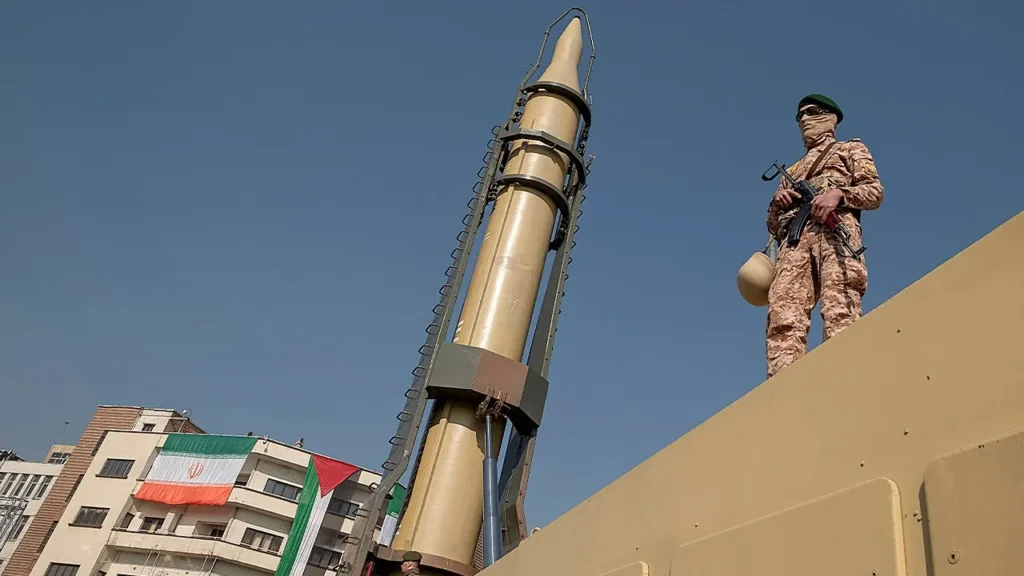
An Iranian academic with close ties to Tehran’s government claimed the nation has spent decades readying for a potential U.S. ground invasion, even as fresh explosions continued across the region on the eighth consecutive day of escalating military strikes. Seyed Mohammad Marandi, identified as a regime representative and former advisor to Iran’s nuclear negotiation team, made the assertion during an interview with political analyst Glenn Diesen, emphasizing that preparations remain ongoing.
Marandi asserted that Iran had recently deployed a new missile system while simultaneously dispersing and concealing its weapons arsenal underground to withstand sustained American air operations. He stated that Iranian military planners do not cluster weapons in single locations but instead spread them across various dispersed positions deep underground to prevent mass destruction from airstrikes.
The conflict expanded dramatically across western and southern Iran heading into Saturday, with Iranian forces launching missiles and drones at U.S.-affiliated positions in Jordan, Kuwait and Bahrain. Jordanian forces intercepted 10 missiles in early morning hours, while Kuwaiti authorities reported casualties and significant damage to a power generation and desalination facility struck by Iranian ordnance.
In response, American forces conducted airstrikes targeting bridges, a major road tunnel, observation facilities and fortified underground weapons storage complexes. Multiple explosions struck Khorramabad in Iran’s Lorestan province, with Iranian state media attributing the blasts to U.S. missiles fired from Kuwaiti bases.
The Imam Ali Missile Base near Khorramabad, one of Tehran’s principal underground silo complexes designed to house and launch liquid-fueled Shahab-3 medium-range ballistic missiles, sustained damage during the operation. The facility had previously been damaged by Israeli airstrikes during 2025 operations targeting Tehran’s military and nuclear infrastructure.
The current escalation dissolved a recently agreed memorandum of understanding intended to establish a 60-day ceasefire and enable nuclear negotiations. Control of the Strait of Hormuz has emerged as the central flashpoint, with the strategic waterway becoming the conflict’s primary battlefield.
President Donald Trump authorized renewed airstrikes within weeks of the truce taking effect and suggested on July 14 the possibility of initiating a ground campaign. Marandi claimed Iran’s military leadership actively anticipates and welcomes a ground scenario, asserting that Tehran views such an invasion as the most favorable path to achieving its objectives.

More Stories
Colombia backs Trump security push while limiting U.S. role in anti-gang operations
Chicago Mayor Issues Executive Order Requiring Contractor Diversity Disclosures and ICE Ties Reporting
Federal Prosecutors Convene Special Grand Jury to Investigate D.C. Schools’ Attendance and Graduation Practices