

💛 A quick favor, if you've got a second.
We're really happy that you chose to read one of our stories and sincerely hope you'll stick around to read more. We took our paywall down — for now — but that won't last forever, and when the gate goes back up, we'd love for you to already be on the inside.
It's free. So please enter your email here and don't forget to like and follow us on all of your favorite Social Media platforms!
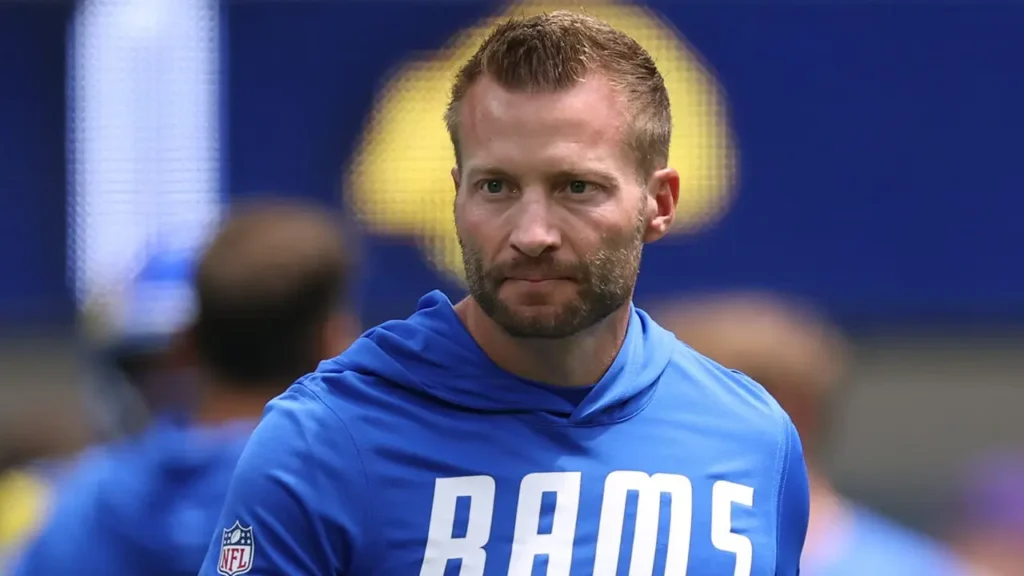
Los Angeles Rams head coach Sean McVay voiced his bewilderment Tuesday over the rapidly evolving college football eligibility landscape, admitting he struggles to understand the mounting legal and regulatory disputes roiling the sport. Speaking at the team’s training camp, McVay said the situation left him feeling disoriented, comparing his mental state to being under the influence of an edible substance. The coach’s candid remarks reflected the genuine confusion sweeping through professional sports circles as collegiate athletics rules shift almost daily.
Tight end Dae’Quan Wright was poised to become the first player to transition directly from an NFL roster to an NCAA roster after the Cleveland Browns waived him two days prior. Wright planned to rejoin his former Ole Miss coach Lane Kiffin at LSU for the upcoming season, pending eligibility approval. However, hours after clearing waivers, the SEC and Big Ten announced sweeping new guidelines that would have blocked such moves, setting the stage for an immediate legal showdown.
The new conference rules declare ineligible any athlete who has signed with an NFL team, declared for the NFL Draft, or participated in professional training camps. This action directly contradicted court orders that had granted temporary restraining orders to multiple players, including Wright, allowing them to compete in college athletics this season. The policy shift represents an aggressive response by conferences seeking to circumvent NCAA regulations.
Attorney Ryan Downton, representing players challenging the restrictions, characterized the conferences’ conduct as potentially unlawful. He argued the SEC’s new rules place the NCAA in contempt of court orders and accused the conferences of engaging in anticompetitive behavior by unilaterally crafting emergency policies. The legal battle centers on NCAA eligibility rules approved in June that grant athletes five years to play five seasons of college sports.
Wright and other athletes from the 2022 high school class have secured judicial backing to compete despite their professional involvement. The situation has created an unprecedented legal crisis for college athletics, with courts ordering eligibility while conferences simultaneously attempt to establish contradictory standards. Resolution remains uncertain as the legal strategy moves forward against both the NCAA and individual conferences.

More Stories
Indiana coach Curt Cignetti tells restless Hoosiers fans not to gripe over 38-0 win
Modern Science Finally Supports & Strengthens Biblical Account of the Crucifixion of Jesus Christ
Federal Prosecutors Convene Special Grand Jury to Investigate D.C. Schools’ Attendance and Graduation Practices