


💛 A quick favor, if you've got a second.
We're really happy that you chose to read one of our stories and sincerely hope you'll stick around to read more. We took our paywall down — for now — but that won't last forever, and when the gate goes back up, we'd love for you to already be on the inside.
It's free. So please enter your email here and don't forget to like and follow us on all of your favorite Social Media platforms!
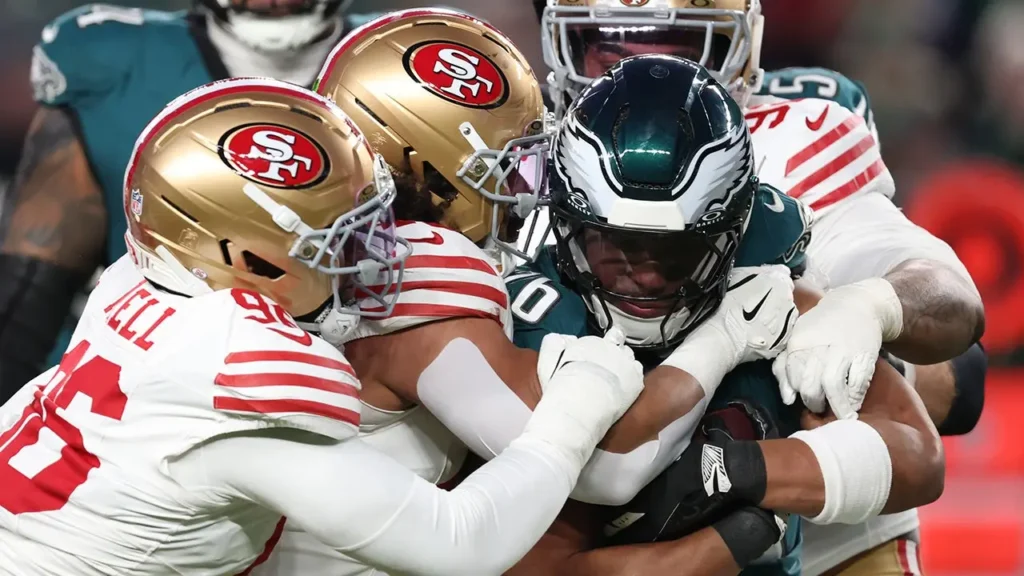
A significant new study published in The BMJ has raised alarms about chronic traumatic encephalopathy, or CTE, among professional football players. Research examining 878 former NFL players who died between 2016 and 2021 found that at least 215 of them—representing 24.5 percent—had CTE in some stage of development. Researchers acknowledge the actual prevalence likely exceeds this figure, as 643 additional brains from the sample were not examined.
If these findings applied to the current NFL roster of 1,696 active players across all 32 teams, approximately 415 players would be expected to develop CTE in their lifetimes. The degenerative brain disease, caused by repeated head trauma and subconcussive impacts, can only be confirmed through post-mortem brain examination. Symptoms include memory loss, mood swings and behavioral changes, though players often show no signs during their playing careers.
Dr. Julian Bailes, a neurosurgeon and chief medical advisor for Q-30 Sports Science who was portrayed by Alec Baldwin in the film “Concussion,” called the research “a call to action for everyone involved in football.” He emphasized that while concussion management has improved, reducing repetitive head impacts from the outset remains critical to preventing the disease.
The NFL reported 168 documented in-game concussions during the 2025 season, a 30 percent increase from 129 in 2024. Both the league and the NFL Players Association acknowledged the study’s implications, with the players’ union calling the findings “a call to action across the entire football ecosystem.”

More Stories
Indiana coach Curt Cignetti tells restless Hoosiers fans not to gripe over 38-0 win
Packers Running Back Josh Jacobs Placed on NFL Commissioner’s Exempt List Following Domestic Arrest
Packers Running Back Josh Jacobs Placed on Commissioner Exempt List Pending Misdemeanor Charges