


💛 A quick favor, if you've got a second.
We're really happy that you chose to read one of our stories and sincerely hope you'll stick around to read more. We took our paywall down — for now — but that won't last forever, and when the gate goes back up, we'd love for you to already be on the inside.
It's free. So please enter your email here and don't forget to like and follow us on all of your favorite Social Media platforms!
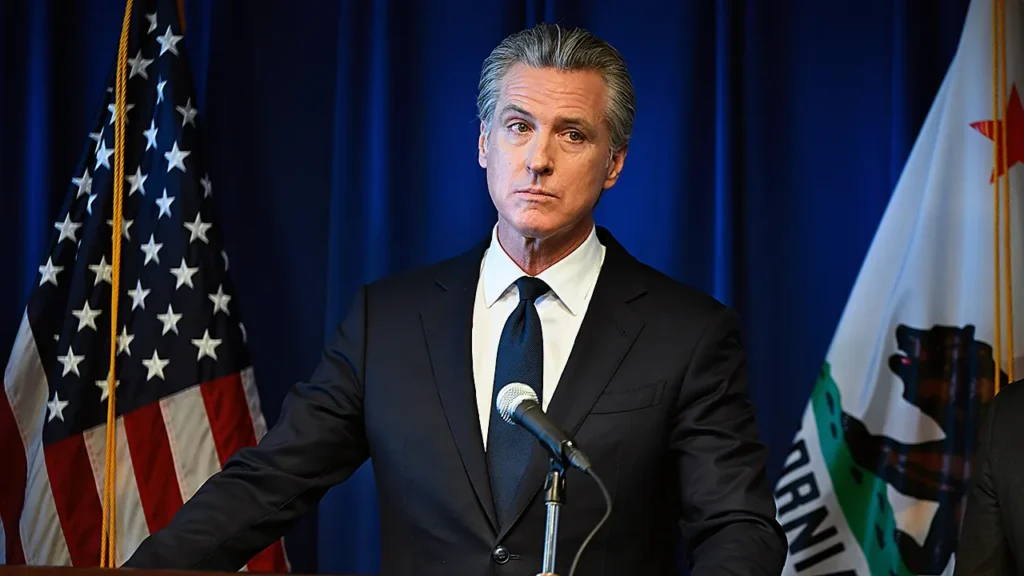
California Governor Gavin Newsom said Monday he will pursue legal action against the Trump administration following a Supreme Court decision that permits enforcement of a contested executive order aimed at restricting mail-in voting. The high court voted 6-3 to remove an injunction that had previously blocked the order across 23 states ahead of November’s midterm elections.
In its ruling, the Supreme Court emphasized that it was addressing only the temporary injunction and not the underlying constitutionality of the executive order, potentially paving the way for further litigation. Justices Sonia Sotomayor, Elena Kagan and Ketanji Brown Jackson dissented from the majority decision.
“California will be suing AGAIN to block these Orwellian rules from being implemented,” Newsom said in a statement, characterizing the Trump administration’s approach as a scheme to disenfranchise voters nationwide. The governor’s office also signaled support for two pending state legislative measures designed to defend California’s election systems.
Assembly Bill 282 would create new felony charges for seizing ballots, election records or certified voting technology before results are certified. Senate Bill 259 would establish criminal penalties for interfering with mail-in ballot delivery or collection, with potential sentences of up to four years in prison for certain violations.
Trump’s executive order directs federal agencies to develop voter eligibility lists based on citizenship status and instructs the U.S. Postal Service to deliver mail-in ballots only to individuals on approved lists. The Department of Homeland Security would be tasked with creating and distributing the citizenship lists to states.
The Supreme Court’s majority reasoned that the citizenship list provision constitutes an internal presidential directive to federal agencies and imposes no direct obligations on states themselves, therefore determining states lack standing to challenge it.

More Stories
Colombia backs Trump security push while limiting U.S. role in anti-gang operations
Former NFL cheerleader and ex-aide face off in close Rhode Island GOP primary
Trump Threatens FCC Action Against NBC’s Welker Over Endorsement Coverage