


💛 A quick favor, if you've got a second.
We're really happy that you chose to read one of our stories and sincerely hope you'll stick around to read more. We took our paywall down — for now — but that won't last forever, and when the gate goes back up, we'd love for you to already be on the inside.
It's free. So please enter your email here and don't forget to like and follow us on all of your favorite Social Media platforms!
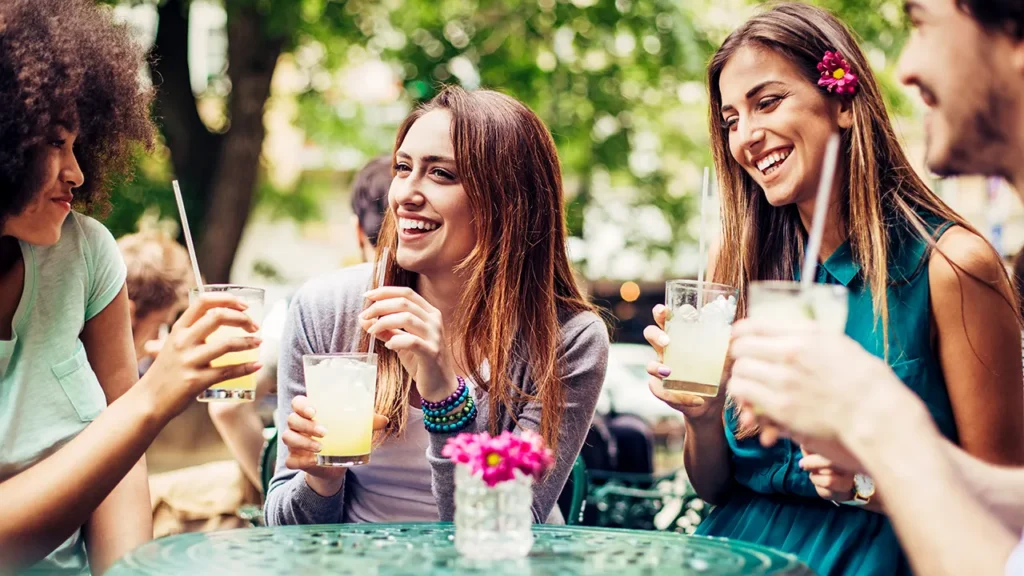
The widespread adoption of GLP-1 weight-loss medications is spurring restaurants across the country to expand their beverage offerings beyond traditional alcoholic drinks. A new 2026 Restaurant Beverage Trends report from the National Restaurant Association documents growing demand for wellness drinks, energy beverages, smoothies, alcohol-free cocktails and other alternatives, particularly among younger diners seeking healthier consumption options.
Chad Moutray, chief economist at the National Restaurant Association, identified GLP-1 medications as a significant factor influencing how restaurants are reshaping their drink menus. The trend reflects a convergence of health-consciousness among younger consumers, broader wellness movements, and the appetite-suppressing effects of the medications themselves, he explained to Fox News Digital.
Survey data reveals that health considerations already impact alcohol consumption patterns. Among non-drinking adults, 25% cited health as their reason for abstaining, a figure that rises to 34% among Gen Z respondents. Despite these shifts, 71% of Gen Z and 74% of millennials still consume alcohol at home or restaurants, suggesting a preference for expanded choices rather than complete abstinence.
Limited-service restaurant operators are responding aggressively to these preferences. Twenty-four percent plan to introduce new wellness drinks in 2026, while 26% intend to add energy drinks, 29% smoothies and 27% lemonades. Nearly half of these establishments, 46%, are planning new coffee offerings to meet evolving customer demands.
Derek Brown, a hospitality consultant and founder of Drink Company, confirmed that GLP-1 medications are contributing to a broader moderation trend in dining establishments. The drugs can suppress appetite for both food and beverages, potentially redirecting customers toward non-alcoholic alternatives or reducing overall consumption levels.
Beverages have become increasingly critical to restaurant profitability and customer attraction. The National Restaurant Association found that 87% of full-service operators and 80% of limited-service operators view beverages as important traffic drivers, making menu diversification a strategic priority as GLP-1 adoption becomes more widespread and affordable.

More Stories
Looney Tunes’ ‘Coyote vs. Acme’ Debuts With $15.5 Million as ‘Spider-Man’ Holds Box Office Crown
Four Kitchen Staples That Belong Outside the Freezer, According to Culinary Experts
Trump Calls NASA to Congratulate Agency on Roman Space Telescope Launch