


💛 A quick favor, if you've got a second.
We're really happy that you chose to read one of our stories and sincerely hope you'll stick around to read more. We took our paywall down — for now — but that won't last forever, and when the gate goes back up, we'd love for you to already be on the inside.
It's free. So please enter your email here and don't forget to like and follow us on all of your favorite Social Media platforms!
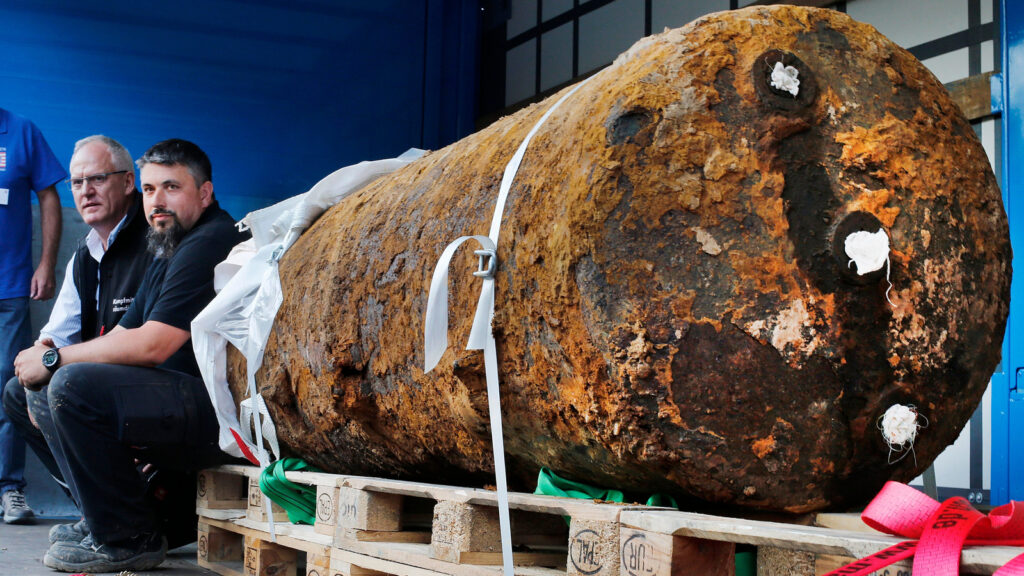
Massive wildfires sweeping through Europe this summer have revealed a grave hazard concealed beneath scorched terrain: deteriorating ordnance and explosives cached from both World Wars. The combination of intense heat and ground disturbance has made these historical weapons visible and, in some cases, triggered detonations in affected regions.
Decades after military conflicts ended, munitions deposited across European battlefields remain embedded in soil across former combat zones. The scale and intensity of current fire activity has accelerated the surfacing of these dangerous relics, presenting immediate risks to emergency personnel and surrounding communities.
Authorities in affected areas have had to mobilize specialized disposal teams to identify and neutralize discovered explosives before they pose further threats. The emergence of World War I and II-era weaponry underscores how environmental disasters can unexpectedly expose long-dormant consequences of historical conflict.

More Stories
Colombia backs Trump security push while limiting U.S. role in anti-gang operations
Federal Prosecutors Convene Special Grand Jury to Investigate D.C. Schools’ Attendance and Graduation Practices
State Department Reissues Level 3 Travel Advisory for Israel Amid Terrorism and Armed Conflict Concerns