


💛 A quick favor, if you've got a second.
We're really happy that you chose to read one of our stories and sincerely hope you'll stick around to read more. We took our paywall down — for now — but that won't last forever, and when the gate goes back up, we'd love for you to already be on the inside.
It's free. So please enter your email here and don't forget to like and follow us on all of your favorite Social Media platforms!
The NCAA secured a procedural victory Friday when the Tenth Circuit Court of Appeals granted a stay on a sweeping eligibility ruling, temporarily halting athletes from the 2022 class from using a blanket waiver issued by U.S. District Judge Charlotte Sweeney of Colorado. The stay pauses immediate relief while the appellate court reviews the NCAA’s challenge to the lower court’s decision, providing the organization breathing room as it fights multiple legal challenges.
However, the reprieve appears limited in scope. State courts across the country have begun issuing their own temporary restraining orders and injunctions favoring athletes excluded from the NCAA’s new “five-for-five” eligibility guidelines. The 19th District Court of Louisiana granted a TRO on Wednesday allowing qualifying athletes to return to college through Sept. 1, with access to a seven-day transfer portal window, creating a patchwork of court-ordered eligibility standards.
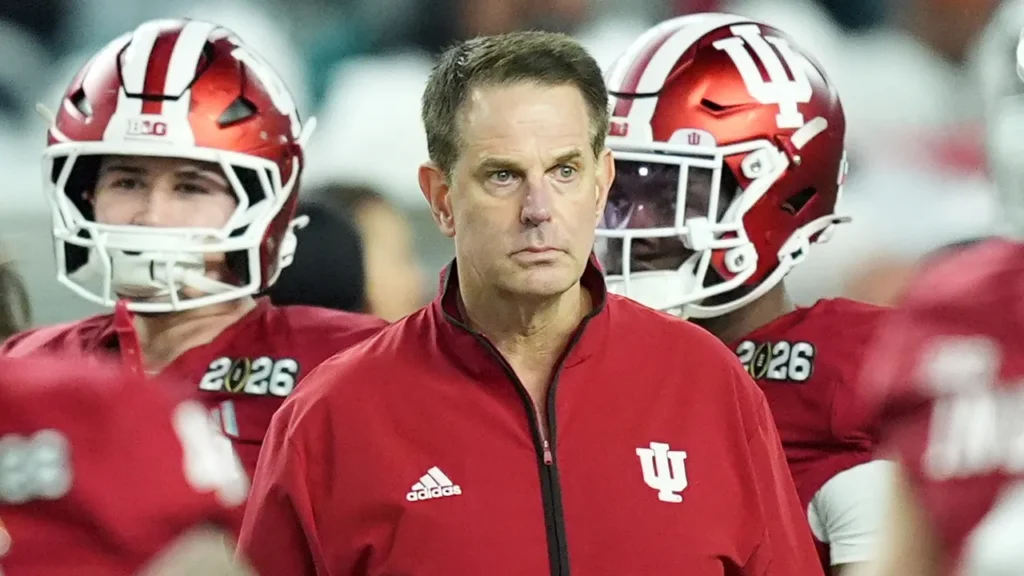
Some athletes currently in NFL training camps have obtained court authorization to return to college, presenting an unprecedented scenario where professional players can reverse course mid-offseason. Schools including Indiana have already begun recruiting athletes back when roster spots become available, capitalizing on the judicial uncertainty surrounding NCAA eligibility rules.
NCAA Vice President Tim Buckley condemned the cascade of court rulings, arguing that judges were “failing to appreciate the destabilizing effect” of granting relief to athletes who previously had opportunities to compete. He suggested attorneys pursuing the litigation were attempting to make college sports “a fallback option” for professional athletes, stripping opportunities from prospective college players.
The organizational crisis stems directly from the NCAA’s December decision to exclude the 2022 class from updated eligibility guidelines while extending opportunities for other student-athletes. That exclusion triggered a torrent of litigation across multiple jurisdictions, with plaintiffs achieving consistent success at lower court levels and emboldening additional legal challenges.

More Stories
Federal voting arrest in New Jersey adds new pressure point in Sherrill-Trump standoff
Modern Science Finally Supports & Strengthens Biblical Account of the Crucifixion of Jesus Christ
Packers Running Back Josh Jacobs Placed on NFL Commissioner’s Exempt List Following Domestic Arrest