

💛 A quick favor, if you've got a second.
We're really happy that you chose to read one of our stories and sincerely hope you'll stick around to read more. We took our paywall down — for now — but that won't last forever, and when the gate goes back up, we'd love for you to already be on the inside.
It's free. So please enter your email here and don't forget to like and follow us on all of your favorite Social Media platforms!
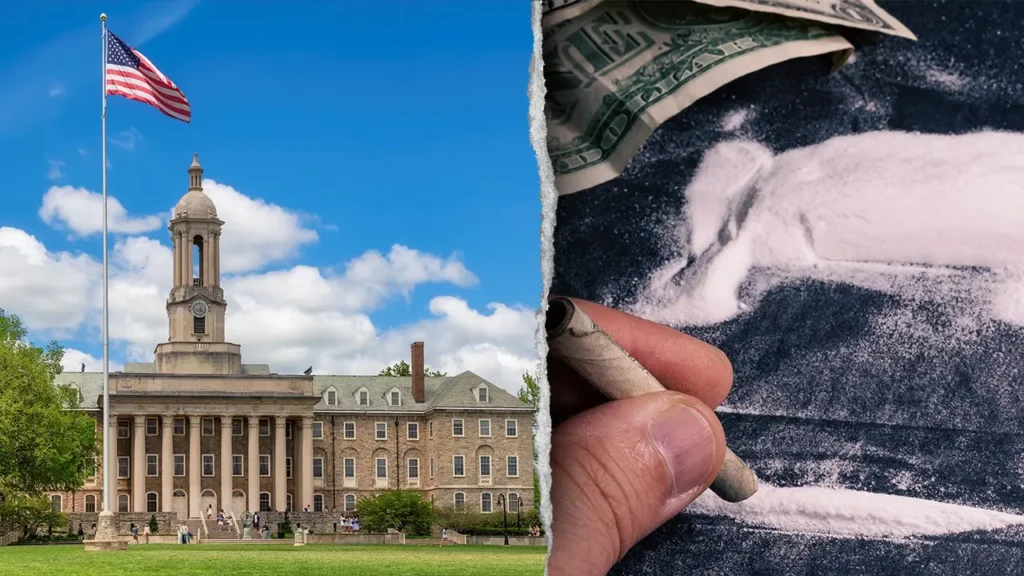
Pennsylvania Attorney General Dave Sunday indicated his office is monitoring Penn State’s response to an alleged cocaine trafficking network that operated through the university’s fraternity system, though he expressed hope the institution will address the matter independently. Authorities discovered the sophisticated drug operation moved approximately one kilogram of cocaine every other month between 2023 and 2024, with Sunday characterizing the enterprise as far more complex than casual student drug use.
Fourteen individuals, including current and former Penn State students, face felony or misdemeanor charges related to the alleged illicit activity. Prosecutors identified Agostino Abbatiello, 24, and Thomas Robinson, 23, as the suspected ringleaders who allegedly made regular trips to Philadelphia and New York to procure large quantities of powder cocaine, coordinated sales through Snapchat, and collected payments via Venmo.
The investigation revealed that pledges at Delta Upsilon and Sigma Chi fraternities were allegedly instructed to cut and package cocaine as part of their initiation process. Sunday attributed some involvement to peer pressure, noting that younger individuals often face powerful motivational forces in group settings.
Penn State responded by placing Delta Upsilon on interim suspension and stated it was “horrified” by the accusations. The university does not officially recognize Sigma Chi, which operates independently outside university oversight.
When pressed on whether his office would pursue action against the university itself, Sunday emphasized his preference for collaborative solutions. He noted that Penn State has demonstrated openness to working with law enforcement and suggested potential joint remedies to address systemic issues.
The case echoes a 2017 incident at Beta Theta Pi fraternity in which 19-year-old Tim Piazza died following a hazing episode involving excessive alcohol consumption, which brought national attention to fraternities at the university.

More Stories
Federal voting arrest in New Jersey adds new pressure point in Sherrill-Trump standoff
Modern Science Finally Supports & Strengthens Biblical Account of the Crucifixion of Jesus Christ
Packers Running Back Josh Jacobs Placed on NFL Commissioner’s Exempt List Following Domestic Arrest