💛 A quick favor, if you've got a second.
We're really happy that you chose to read one of our stories and sincerely hope you'll stick around to read more. We took our paywall down — for now — but that won't last forever, and when the gate goes back up, we'd love for you to already be on the inside.
It's free. So please enter your email here and don't forget to like and follow us on all of your favorite Social Media platforms!
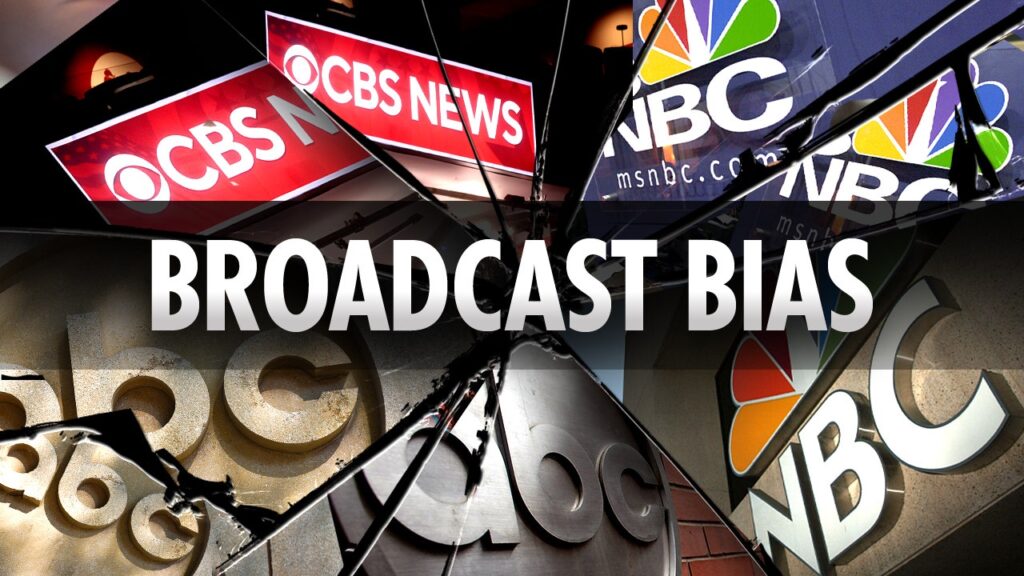
Major television networks made a Turkish security incident their lead story this week, with CBS, NBC and ABC all prominently featuring coverage of President Donald Trump’s switch to a different military aircraft while the press remained aboard Air Force One. The Secret Service had advised the plane change for security reasons, but journalists and top administration officials aboard the original aircraft were not immediately informed of the president’s departure, sparking criticism across broadcast news divisions.
PBS NewsHour anchor Geoff Bennett questioned the unusual nature of the maneuver, asking how often the Secret Service converts Air Force One into a decoy aircraft. Correspondent Nick Schifrin noted that a similar situation had occurred during President Bill Clinton’s 1999 visit to Pakistan, yet the incident received minimal media attention at that time.
On NPR’s Morning Edition Wednesday, former Secret Service agent Robert McDonald pushed back against characterizations of danger, noting that Air Force One retained military protection while airborne. Anchor Michel Martin challenged his assurances, pressing McDonald on whether he could definitively confirm the security arrangements—a point McDonald conceded but found unlikely given the presence of two Air Force 747s.
Senior cabinet members including Secretary of State Marco Rubio, Treasury Secretary Scott Bessent and domestic policy adviser Stephen Miller remained aboard Air Force One throughout the incident, contradicting media suggestions that journalists faced unusual risk. White House correspondents regularly accept security hazards as part of their assignment, particularly given recent assassination attempts against the president.
Late-night hosts and cable commentators mocked the situation, with some suggesting the security protocol revealed presidential cowardice. The extended media focus on the incident stood in contrast to minimal coverage of a California man arrested at Trump National Golf Club Los Angeles on August 4 after authorities found him with a loaded pistol and ammunition magazine during reconnaissance of a scheduled presidential visit.
More Stories
Federal voting arrest in New Jersey adds new pressure point in Sherrill-Trump standoff
Colombia backs Trump security push while limiting U.S. role in anti-gang operations
Former NFL cheerleader and ex-aide face off in close Rhode Island GOP primary