


💛 A quick favor, if you've got a second.
We're really happy that you chose to read one of our stories and sincerely hope you'll stick around to read more. We took our paywall down — for now — but that won't last forever, and when the gate goes back up, we'd love for you to already be on the inside.
It's free. So please enter your email here and don't forget to like and follow us on all of your favorite Social Media platforms!
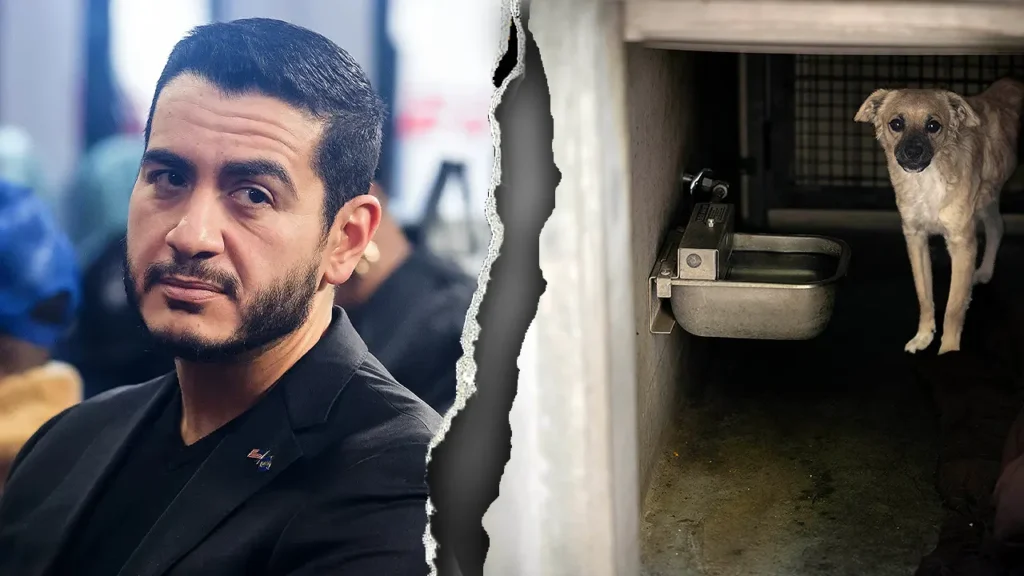
Abdul El-Sayed, the Democratic nominee for Michigan’s U.S. Senate seat, is confronting intensified scrutiny regarding his management of Detroit’s animal control operations while serving as the city’s health director. The Detroit Animal Care and Control department faced persistent allegations of animal mistreatment during the period when El-Sayed oversaw the agency, which began in late 2015.
A whistleblower lawsuit filed in October 2015 by former Detroit Animal Control officer Brittany Roberts alleged widespread neglect, including animals dying from inadequate food and medical care while confined in unsanitary conditions. Roberts claimed she was subsequently demeaned, harassed and terminated after raising these concerns. The Daily Mail reported that 4,680 dogs and cats were euthanized during records covering El-Sayed’s tenure, with 1,056 dogs and 29 cats killed during the first full calendar year the department operated under his Health Department.
El-Sayed’s campaign contends the raw euthanasia figures obscure meaningful improvement. When he inherited the operation, the live-release rate stood between 20% and 26%, but climbed to approximately 61% to 62% by late 2016. The campaign credits his appointment of new director Melissa Miller in December 2015, facility upgrades, increased officer pay, expanded rescue partnerships and overhauled care protocols for the improvement.
Republican opponent Mike Rogers seized on the issue, stating on X that “Detroiters couldn’t even trust him with their pets,” while Michael LaRosa, former First Lady Jill Biden’s former press secretary, called the situation “sickening.” The scrutiny extends beyond social media—Detroit agreed in July 2016 to pay $63,000 to settle Roberts’ whistleblower lawsuit, and a federal judge temporarily blocked animal seizures without warrants in February 2016 following resident complaints.
Detroit’s mayor’s office acknowledged the operation faced severe challenges, including inadequate facilities and budget constraints during the city’s emergence from bankruptcy. Then-Mayor Mike Duggan characterized the improved euthanasia rate as “more in line with national standards,” though El-Sayed’s campaign claims the changes ultimately resulted in nearly 80% of animals being placed in homes.
More Stories
Tennessee’s Lone Death Row Female is Scheduled for Execution Wednesday for 1995 Torture/Murder
Federal voting arrest in New Jersey adds new pressure point in Sherrill-Trump standoff
Former NFL cheerleader and ex-aide face off in close Rhode Island GOP primary