


💛 A quick favor, if you've got a second.
We're really happy that you chose to read one of our stories and sincerely hope you'll stick around to read more. We took our paywall down — for now — but that won't last forever, and when the gate goes back up, we'd love for you to already be on the inside.
It's free. So please enter your email here and don't forget to like and follow us on all of your favorite Social Media platforms!
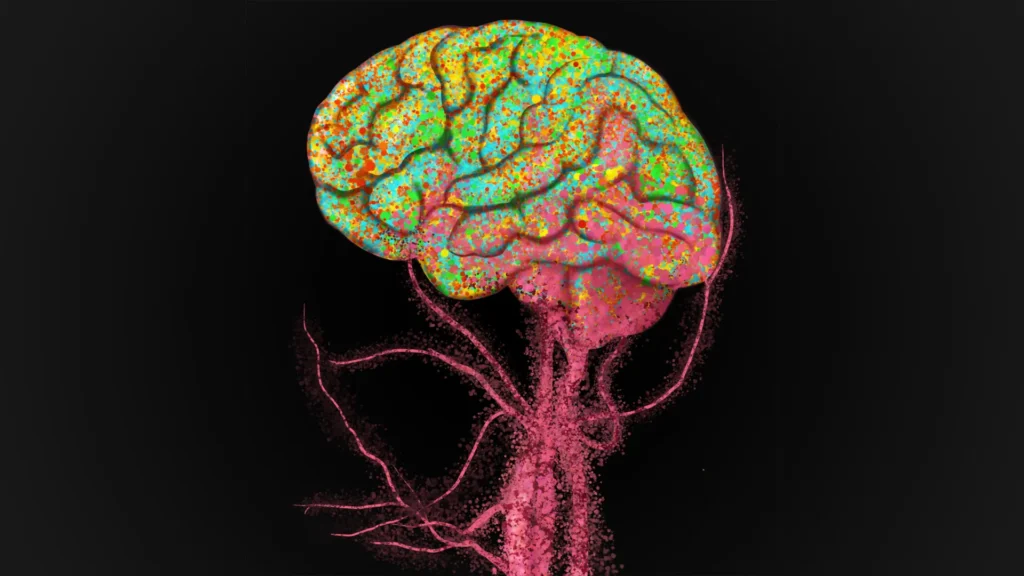
Researchers at Stanford University have identified a significant biological process that contradicts decades of established neuroscience doctrine. The study demonstrates that immune cells originating in the bloodstream migrate into the brain tissue during middle age and beyond, a phenomenon previously thought to be severely restricted by the brain’s protective barriers.
The migrating immune cells undergo transformation upon entering brain tissue, developing into microglia, which serve as the central nervous system’s primary immune defense mechanism. This discovery fundamentally reshapes understanding of how the brain’s immune function develops and changes throughout an individual’s lifespan, suggesting substantially greater interaction between systemic and neural immunity than previously recognized.
The findings challenge a longstanding scientific consensus that positioned the blood-brain barrier as an absolute barrier maintaining strict separation between circulating immune components and central nervous system tissue. Stanford scientists’ work indicates this barrier is far more permeable to immune cell trafficking than the traditional model suggested, with potential implications for understanding age-related neurological conditions and neurodegenerative disease processes.


More Stories
New York Health Officials Sound Alarm Over Rising Measles Cases as School Year Approaches
CareCloud Breach Compromises 3.75 Million Patient Records, Among Largest Healthcare Data Thefts of 2026
Month-Long HEPA Use Linked to Faster Cognitive Processing in Middle-Aged Adults