


💛 A quick favor, if you've got a second.
We're really happy that you chose to read one of our stories and sincerely hope you'll stick around to read more. We took our paywall down — for now — but that won't last forever, and when the gate goes back up, we'd love for you to already be on the inside.
It's free. So please enter your email here and don't forget to like and follow us on all of your favorite Social Media platforms!
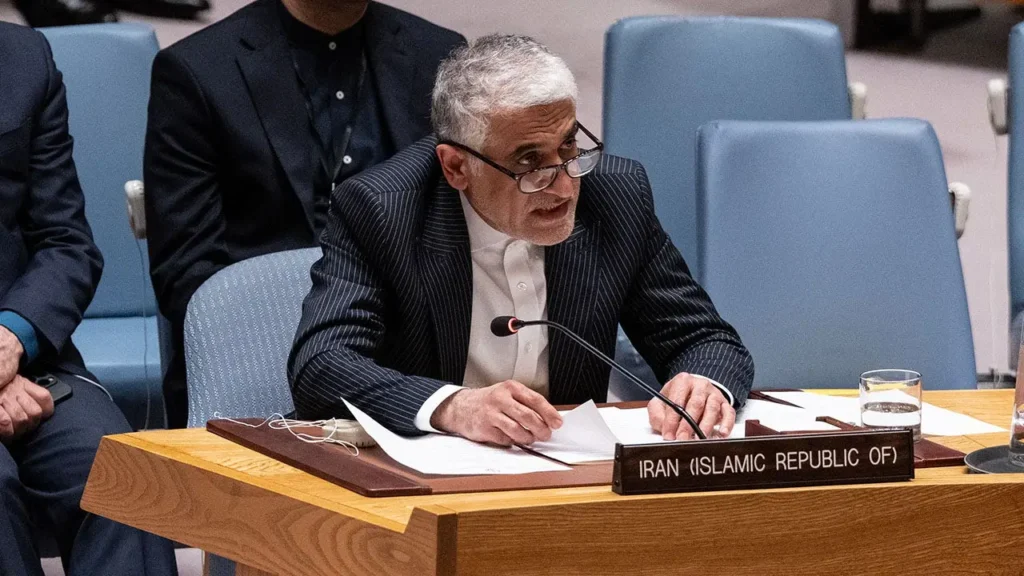
A prominent United Nations oversight organization has sharply criticized Iran’s anticipated appointment to a key U.N. committee that shapes global human rights policy. The 34-member Committee for Programme and Coordination will vote on Iran’s admission in November, with observers expecting the measure to proceed without significant opposition.
Though the committee does not author human rights agreements or formally condemn violations, it exercises considerable control over implementation of human rights programs throughout U.N. agencies. ECOSOC put forward Iran’s candidacy in April, a decision that drew immediate scrutiny given Tehran’s extensive record of systematic oppression, violent suppression of dissent, surveillance operations and restrictions on women’s freedoms.
Hillel Neuer, head of Geneva-based UN Watch, characterized the development as fundamentally contradictory to the U.N.’s founding mission. “It’s the last government in the world that should have any influence,” Neuer told Fox News Digital, adding that the scenario represents “lunatics running the asylum” at an organization established after World War II to promote international stability and democratic values.
Iran faces widespread international designation as a primary state sponsor of terrorism, with documented funding of Hezbollah, Hamas and other militant organizations. The nation has also conducted military operations against Gulf neighbors in recent months amid ongoing tensions with the United States.
Similar appointments have occurred previously within the U.N. system. The Human Rights Council currently includes 47 member states, several of which maintain governments with extensively documented human rights violations, including China, Cuba, Pakistan and Eritrea.
Neuer attributed Western democracies’ apparent acceptance of Iran’s appointment to diplomatic convenience rather than principle. “If you are the French, Canadian, or German ambassador, you don’t want to pick a fight with dozens of countries or trigger friction with Iran,” he explained, characterizing the approach as prioritizing political expediency over values.

More Stories
Federal voting arrest in New Jersey adds new pressure point in Sherrill-Trump standoff
Colombia backs Trump security push while limiting U.S. role in anti-gang operations
Former NFL cheerleader and ex-aide face off in close Rhode Island GOP primary