


💛 A quick favor, if you've got a second.
We're really happy that you chose to read one of our stories and sincerely hope you'll stick around to read more. We took our paywall down — for now — but that won't last forever, and when the gate goes back up, we'd love for you to already be on the inside.
It's free. So please enter your email here and don't forget to like and follow us on all of your favorite Social Media platforms!
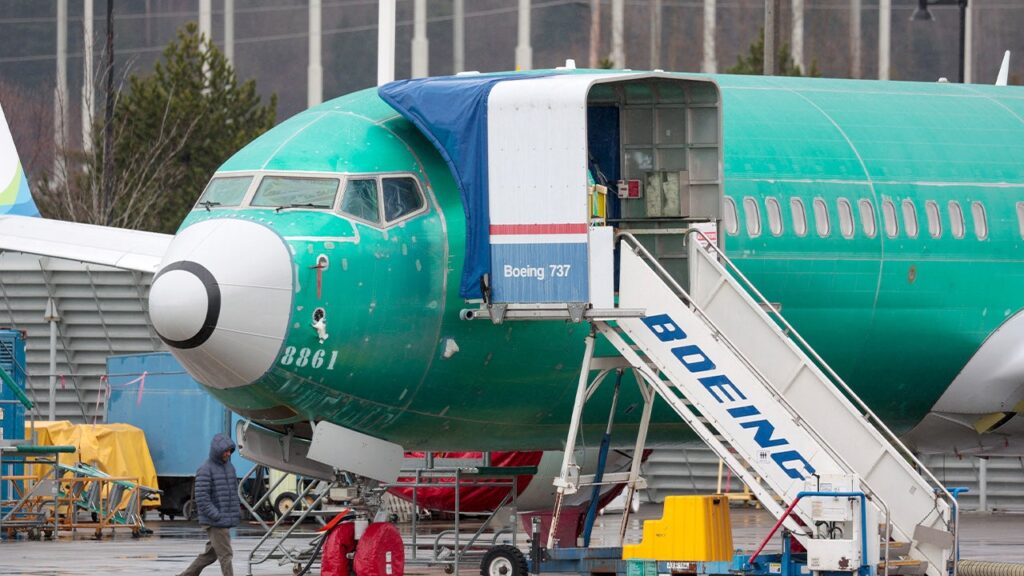
America’s dominance as a global superpower depends on far more than laboratory breakthroughs and startup success stories. The nation’s technological edge is forged in factories, production facilities, supply chains and testing grounds where theoretical concepts transform into functioning systems that serve commercial and defense markets.
While policymakers regularly champion innovation, government policies often inadvertently undermine the capital investments, regulatory approvals, workforce training and industrial expansion that make technological advancement commercially viable. The disconnect between celebrating innovation and supporting the infrastructure required to scale it represents a critical vulnerability in America’s competitive position.
Boeing exemplifies the manufacturing-focused approach necessary for sustained innovation. The aerospace giant is directing $1 billion toward expanding 787 production capacity while simultaneously strengthening domestic hiring, supply-chain resilience and manufacturing stability. Lockheed Martin pursues a similar strategy, modernizing facilities across Texas, Arkansas and New York while deploying robotics and advanced manufacturing technologies to increase output and operational efficiency.
Capital expenditures—the investments companies make in factories, equipment, technology and infrastructure—form the physical foundation enabling ideas to move from design stages into mass production. These investments ripple through local economies, generating demand for construction workers, engineers, electricians and suppliers before facilities even become operational.
Skilled workers represent aerospace and defense contractors’ greatest competitive advantage. Engineers, technicians, mechanics and production specialists transform complex concepts into certified, operational products that maintain the quality and reliability demanded by commercial aviation and national security. Prime contractors control the manufacturing capacity, supplier networks and workforce expertise necessary to shepherd programs from conception through decades-long operational deployment.
As global competition intensifies and defense technology becomes increasingly sophisticated, policymakers must recognize that breakthrough discoveries represent only part of innovation’s equation. Modernized factories, strengthened supply chains, trained workers and infrastructure investments prove equally essential to America’s sustained technological leadership and military readiness.


More Stories
Colombia backs Trump security push while limiting U.S. role in anti-gang operations
Chicago Mayor Issues Executive Order Requiring Contractor Diversity Disclosures and ICE Ties Reporting
University of Pennsylvania Climate Scientist Demands Supreme Court Packing Pledge From Democratic Candidates