

💛 A quick favor, if you've got a second.
We're really happy that you chose to read one of our stories and sincerely hope you'll stick around to read more. We took our paywall down — for now — but that won't last forever, and when the gate goes back up, we'd love for you to already be on the inside.
It's free. So please enter your email here and don't forget to like and follow us on all of your favorite Social Media platforms!
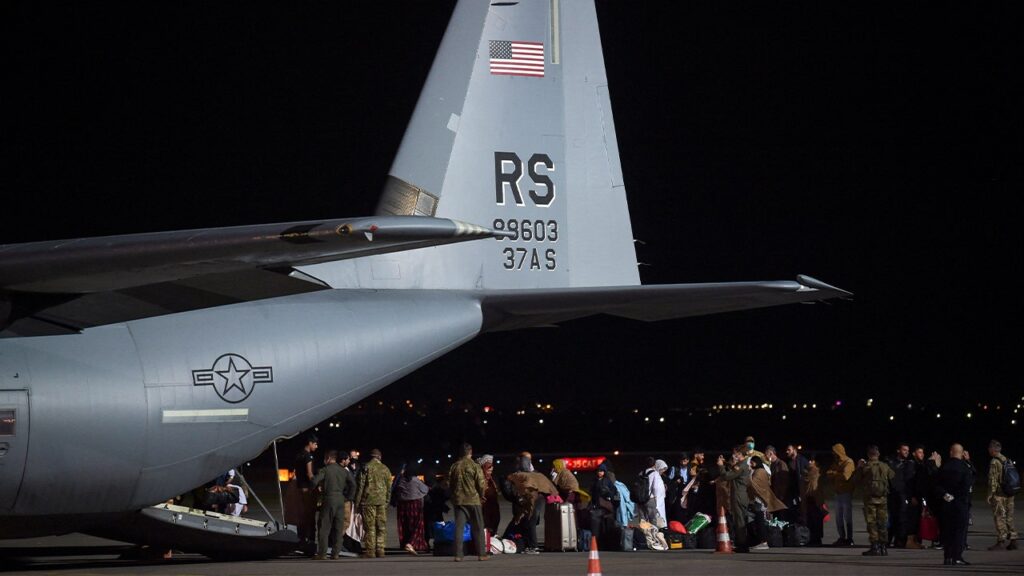
Nearly five years have elapsed since the United States withdrew from Afghanistan in 2021, allowing the Taliban to reclaim control and forcing desperate evacuations. The chaotic scenes of people attempting to board departing aircraft remain vivid reminders of the crisis that unfolded as the nation fell. Today, tens of thousands of Afghan nationals who aided the American mission face uncertain futures, with their legal status deteriorating despite initial waves of bipartisan support for their resettlement.
Following the Taliban’s takeover of Kabul, Afghan translators, drivers and other support personnel suddenly became targets for persecution and violence. Approximately 70,000 Afghans were brought to the United States through Operation Allies Welcome in the months immediately following the collapse, many arriving on humanitarian parole rather than through formal visa programs. This temporary legal status, while allowing work authorization, provided no guarantee of permanent residence in the country.
Religious organizations and veterans groups mobilized extensively to support Afghan families integrating into American communities. Evangelical leader Franklin Graham spearheaded efforts to organize assistance, while churches nationwide donated resources and volunteered to help with resettlement. At that time, polling indicated majority support among evangelicals for accepting Afghan refugees fleeing Taliban persecution.
The Afghan Adjustment Act was proposed in 2022 and 2023 to establish a pathway toward green cards and citizenship for Afghan evacuees with no realistic hope of returning home safely. Despite bipartisan backing and support from evangelical organizations, the legislation failed to advance, leaving thousands in legal uncertainty. Some individuals received Temporary Protected Status instead, though this remains a temporary designation.
Since the Trump administration began its second term, conditions for Afghan evacuees have deteriorated sharply. No Afghan principal applicants received Special Immigrant Visas in 2026, while those still waiting face average processing delays exceeding 1,000 days. The U.S. Refugee Admissions Program has been effectively closed to most applicants, and in July 2025, Temporary Protected Status was terminated for nearly 12,000 Afghans despite evangelical opposition.
A newly proposed Afghanistan TPS Act of 2026 would restore temporary protected status for Afghan evacuees and prevent their removal from the country. Advocates argue that fulfilling commitments to Afghan allies serves both moral imperatives and strategic interests, as failing to honor such promises undermines future cooperation with potential allies and jeopardizes American service members in subsequent conflicts.

More Stories
Tennessee’s Lone Death Row Female is Scheduled for Execution Wednesday for 1995 Torture/Murder
Colombia backs Trump security push while limiting U.S. role in anti-gang operations
Modern Science Finally Supports & Strengthens Biblical Account of the Crucifixion of Jesus Christ