


💛 A quick favor, if you've got a second.
We're really happy that you chose to read one of our stories and sincerely hope you'll stick around to read more. We took our paywall down — for now — but that won't last forever, and when the gate goes back up, we'd love for you to already be on the inside.
It's free. So please enter your email here and don't forget to like and follow us on all of your favorite Social Media platforms!
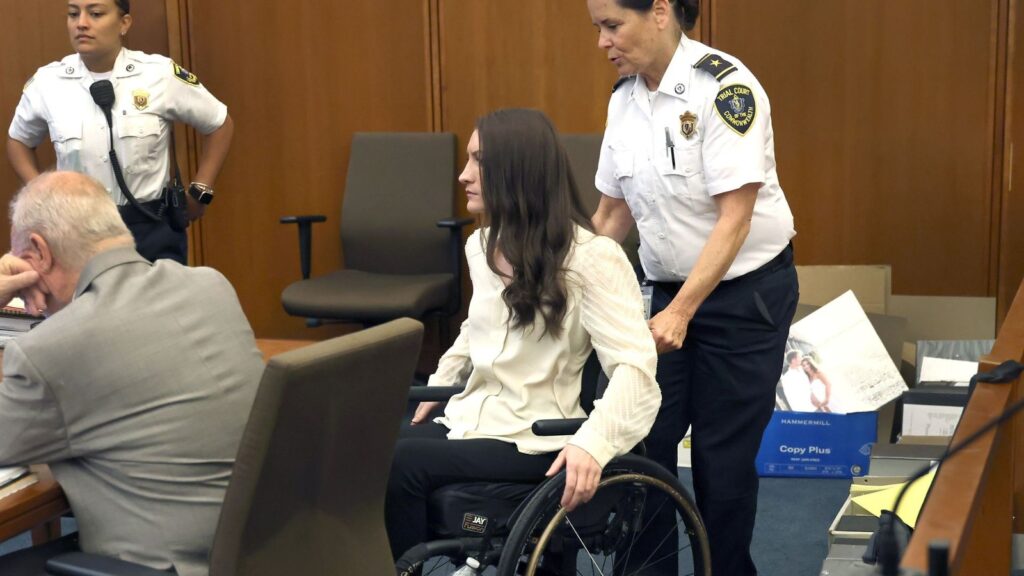
The trial of Lindsay Clancy has turned toward the medications she received prior to the deaths of her three children, with testimony focusing on psychiatric prescriptions and their potential effects. Defense attorneys contend that Clancy experienced auditory hallucinations commanding her to harm her children, while prosecutors maintain she acted with deliberate intent to kill.
Expert witnesses and medical records are expected to play a central role in determining whether Clancy’s mental state at the time of the incidents supports claims of diminished capacity. The prosecution’s case rests on establishing premeditation and conscious decision-making, contradicting the defense narrative of psychosis.
The proceedings underscore the complex intersection of pharmacology, psychiatry, and criminal culpability in cases involving maternal harm. Both sides are presenting competing interpretations of how Clancy’s prescribed medications may have influenced her behavior and mental functioning during the critical period in question.

More Stories
Federal voting arrest in New Jersey adds new pressure point in Sherrill-Trump standoff
Packers Running Back Josh Jacobs Placed on NFL Commissioner’s Exempt List Following Domestic Arrest
Federal Prosecutors Convene Special Grand Jury to Investigate D.C. Schools’ Attendance and Graduation Practices