


💛 A quick favor, if you've got a second.
We're really happy that you chose to read one of our stories and sincerely hope you'll stick around to read more. We took our paywall down — for now — but that won't last forever, and when the gate goes back up, we'd love for you to already be on the inside.
It's free. So please enter your email here and don't forget to like and follow us on all of your favorite Social Media platforms!
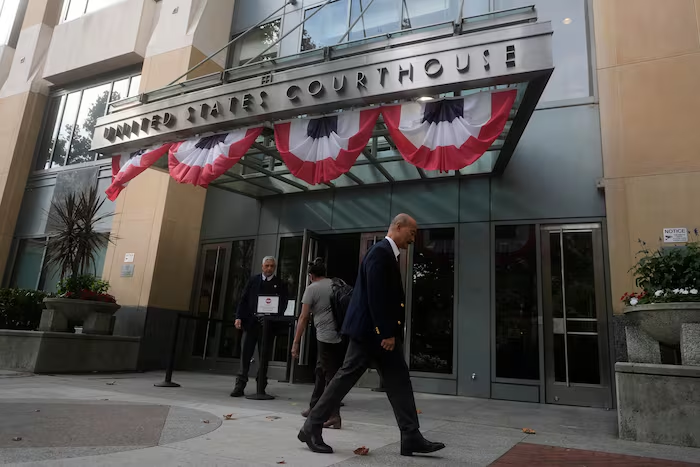
Jury selection commenced Wednesday in a federal courtroom in Oakland, California, as Meta Platforms faces allegations that its social media services have damaged youth mental health and unlawfully tracked minors. The trial, which opens next week, is projected to extend between six and eight weeks as prosecutors present evidence of systematic harm to young users.
The case brings together 29 states in a multidistrict lawsuit initiated in 2023, though this particular trial involves only four jurisdictions: California, Colorado, Kentucky and New Jersey. Eight additional states have pursued separate litigation in their own court systems, with Tennessee currently conducting an active trial against the company.
The federal complaint alleges that Meta systematically gathers personal information from children under 13 without parental authorization, violating established federal privacy protections. Prosecutors contend the company deliberately engineered its platforms to captivate and manipulate young users while concealing documented mental health dangers and child exploitation risks.
This Oakland proceeding reflects growing legal pressure on major technology firms, with similar lawsuits targeting YouTube, TikTok and Snap over comparable allegations of platform design that fosters addiction and inadequate child safety measures. A New Mexico jury awarded $567 million against Meta last week to address youth harms, supplementing a March judgment of $375 million that found the company knowingly endangered children’s psychological wellbeing.
State prosecutors are demanding substantial financial penalties alongside operational reforms including enhanced age verification systems, modified default privacy settings and restricted access to addictive algorithmic features. Meta maintains it has deployed numerous safeguards to protect young users and is challenging the New Mexico verdict.

More Stories
Federal voting arrest in New Jersey adds new pressure point in Sherrill-Trump standoff
Colombia backs Trump security push while limiting U.S. role in anti-gang operations
Former NFL cheerleader and ex-aide face off in close Rhode Island GOP primary