


💛 A quick favor, if you've got a second.
We're really happy that you chose to read one of our stories and sincerely hope you'll stick around to read more. We took our paywall down — for now — but that won't last forever, and when the gate goes back up, we'd love for you to already be on the inside.
It's free. So please enter your email here and don't forget to like and follow us on all of your favorite Social Media platforms!
As Major League Baseball heads toward an anticipated lockout, debate intensifies over the Los Angeles Dodgers’ costly roster-building strategy and whether it fundamentally damages competitive balance in the sport. Critics argue the organization has fundamentally altered the competitive landscape, particularly through the historic $700 million deal for Shohei Ohtani, with 97 percent of the contract deferred. The Dodgers’ back-to-back World Series championships and status as favorites for a third consecutive title have intensified scrutiny of their financial methods.
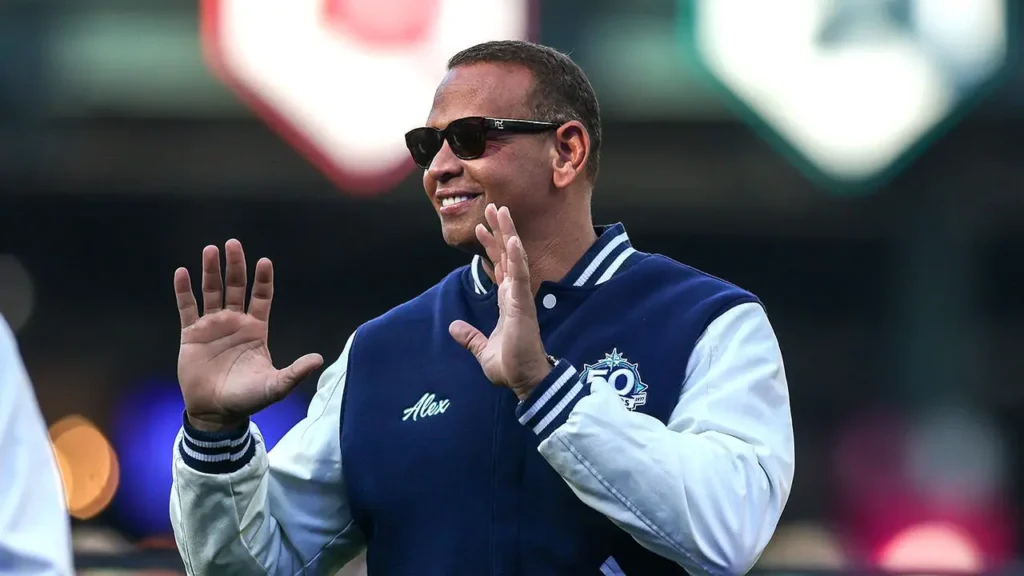
The Dodgers compounded their spending this offseason by acquiring reliever Edwin Diaz and outfielder Kyle Tucker, the latter receiving a deal with the highest annual average value of $60 million for any position player in baseball history. Former Yankees slugger Alex Rodriguez, however, dismisses concerns about the organization’s spending approach during an appearance on Michael Kay’s radio show. Rodriguez argues that high-spending franchises operated similarly during the Yankees’ championship runs of the 1990s and 2000s, when owner Hal Steinbrenner deployed significant resources to acquire players such as CC Sabathia, Mark Teixeira and A.J. Burnett.
Historical payroll data supports Rodriguez’s argument, showing that in 2005 the Yankees spent $208.3 million, nearly double the second-place Boston Red Sox at $123.5 million. The Dodgers have effectively structured contracts through deferrals and bonuses to lower their actual payroll relative to stated contract values, though the Mets, Philadelphia Phillies and Toronto Blue Jays each maintain tax payrolls exceeding $300 million.
Rodriguez contends that spending volume matters less than deployment strategy, pointing to cautionary examples of expensive underperformers Trent Grisham and Ryan McMahon. He emphasized that retaining homegrown talent like the Yankees did with Bernie Williams, Derek Jeter and Jorge Posada, then using expiring contracts as trade assets, represents sound organizational management.
Economic performance across the league challenges the notion that spending guarantees success, with the Milwaukee Brewers holding baseball’s best record despite ranking 19th in tax payroll. The Tampa Bay Rays rank 27th in spending yet maintain the league’s second-best record, while three of the five highest-payroll teams—the Mets, Phillies and Blue Jays—currently sit outside the postseason picture.
The current collective bargaining agreement expires December 1, with the players’ union rejecting proposals for a salary cap, which owners formally presented for the first time since 1994.

More Stories
Packers Running Back Josh Jacobs Placed on NFL Commissioner’s Exempt List Following Domestic Arrest
Chourio Reaches Historic Milestone With 20th Home Run as Brewers Dominate MLB
Jeff Kent Encourages Barry Bonds to Pursue Hall of Fame Induction During Giants Ceremony