

💛 A quick favor, if you've got a second.
We're really happy that you chose to read one of our stories and sincerely hope you'll stick around to read more. We took our paywall down — for now — but that won't last forever, and when the gate goes back up, we'd love for you to already be on the inside.
It's free. So please enter your email here and don't forget to like and follow us on all of your favorite Social Media platforms!
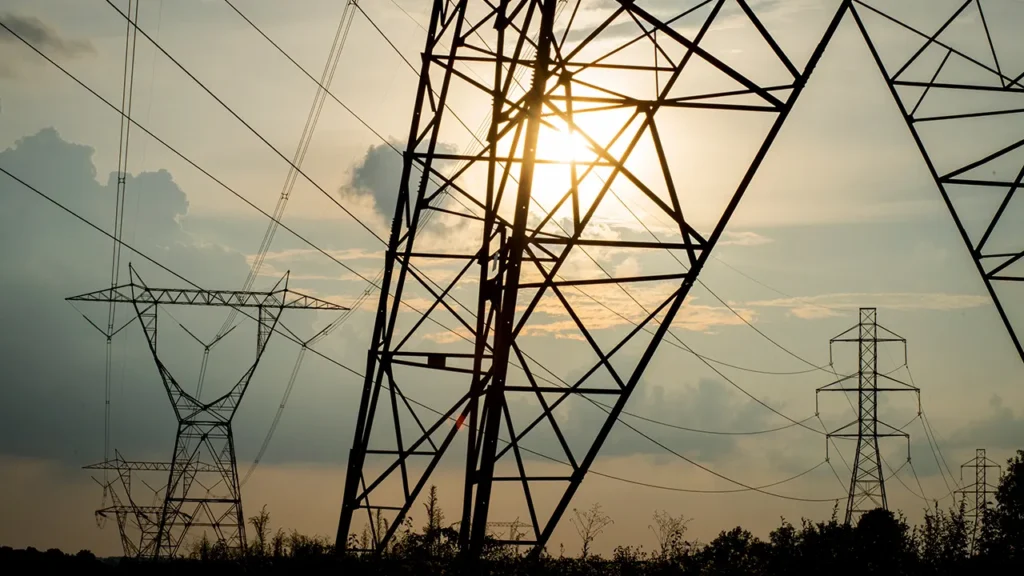
The United States has long maintained unchallenged military superiority through secure strategic logistics and energy supplies since World War II. That strategic advantage is rapidly eroding as hostile nations develop new capabilities to target American power systems. Recent cyberattacks by Iran on water supply infrastructure across at least seven states demonstrate a coordinated approach to destabilizing critical U.S. systems, with Iranian officials openly threatening further strikes on domestic energy infrastructure.
China and Russia have incorporated attacks on American and allied energy infrastructure into their military doctrines. Military planners assess that targeting domestic power supplies would weaken U.S. military capabilities and civilian morale simultaneously. Experts recommend four specific measures to address these vulnerabilities: mandating that critical infrastructure components be manufactured outside of adversary nations, prioritizing secure electricity generation and distribution, hardening electrical systems against cyber and physical attacks, and developing defenses against electromagnetic pulse weapons.
The threat landscape has fundamentally shifted as hybrid warfare blurs the distinction between foreign and domestic military operations. Adversaries recognize that disrupting civilian electricity could cripple military operations dependent on those same power grids. Recent incidents including the Colonial Pipeline cyberattack and sniper attacks on power transformers in California, Utah, and Oregon underscore the vulnerability of America’s electricity infrastructure.
A particularly acute concern involves Chinese-manufactured inverters embedded throughout U.S. power grids. China produces the majority of electricity inverters that convert high-intensity current for residential and commercial use, creating a potential avenue for remote disruption and widespread blackouts orchestrated by Beijing. Removing these components and those from other Chinese sources represents an immediate security imperative.
Beyond remote hacking, adversaries can destabilize power systems by modulating electrical frequency, potentially causing fires, explosions, and fatalities across infrastructure. Electromagnetic pulse weapons pose even greater risks, with China, Russia, and North Korea confirmed to possess this capability. Iran reportedly moved close to achieving EMP capability before an American-Israeli military operation in June 2025.
Energy security directly correlates with national security. Europe and Taiwan have compromised their defensive posture through aggressive renewable energy transitions and nuclear power plant closures that reduced grid stability. As allied forces depend on reliable power during potential conflicts, degraded civilian infrastructure becomes a strategic liability affecting collective defense capabilities.
American technological superiority and military integration of advanced electronic systems create vulnerabilities absent in less-developed adversaries. While this technological edge has established unquestioned military leadership, it demands rigorous protection of the energy systems sustaining critical communications, logistics, and weapons platforms. Protecting domestic power infrastructure must become a top national security priority matching its importance to hostile foreign powers.

More Stories
Colombia backs Trump security push while limiting U.S. role in anti-gang operations
Chicago Mayor Issues Executive Order Requiring Contractor Diversity Disclosures and ICE Ties Reporting
University of Pennsylvania Climate Scientist Demands Supreme Court Packing Pledge From Democratic Candidates