




💛 A quick favor, if you've got a second.
We're really happy that you chose to read one of our stories and sincerely hope you'll stick around to read more. We took our paywall down — for now — but that won't last forever, and when the gate goes back up, we'd love for you to already be on the inside.
It's free. So please enter your email here and don't forget to like and follow us on all of your favorite Social Media platforms!
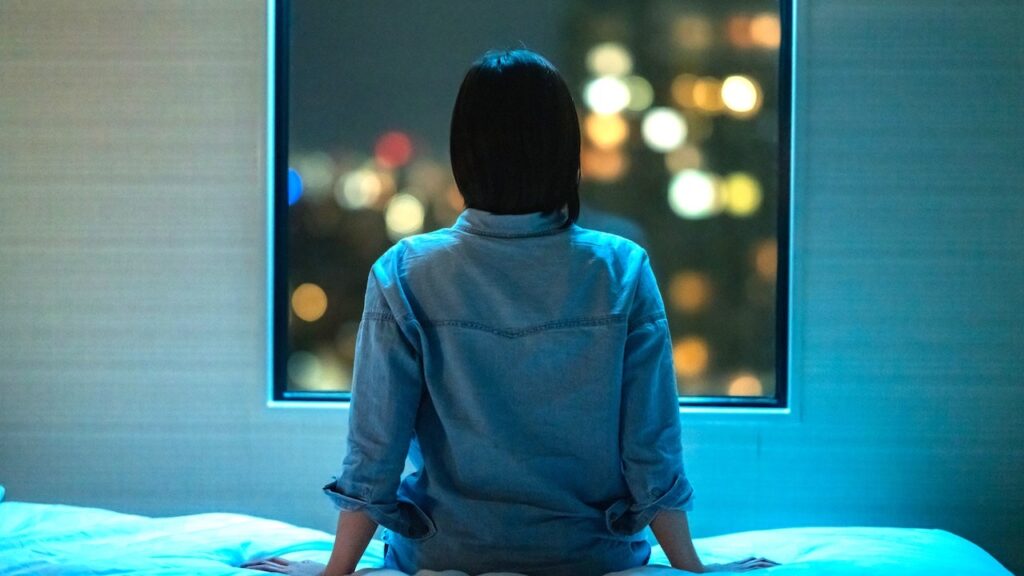
The physical characteristics of your neighborhood—from street noise to building density—may play a substantial role in determining how well you sleep at night, according to recent scientific analysis and health professionals. Erin Palinski-Wade, a New Jersey nutritionist and author of “The Sleepdemic Solution,” says that environmental conditions surrounding your home can directly disrupt sleep quality and duration.
Noise from traffic, family members, and pets ranks among the most common sleep disruptors in residential areas. Palinski-Wade recommends that residents in proximity to busy streets deploy white noise machines to mask external sounds and create a more restful sleeping environment.
A comprehensive study led by Professor Daisuke Matsushita of Osaka Metropolitan University examined how streetscape design influences sleep patterns. Researchers analyzed more than 200,000 Google Street View images using artificial intelligence technology to evaluate 1,089 working adults living in lower-floor Tokyo apartments, measuring factors including perceived safety, visual beauty, and noise pollution.
The research found that neighborhoods with higher perceived safety correlated with longer sleep duration and fewer insomnia complaints. Presence of trees, vegetation, and enclosed spaces defined by tall buildings also aligned with improved sleep, while highly walkable areas with numerous sidewalks and traffic signs showed associations with reduced sleep periods and lower safety perception.
Beyond outdoor environmental factors, indoor conditions matter significantly. Blackout curtains can eliminate light pollution, while room temperature and bedroom door positioning affect how much street noise penetrates living spaces. Palinski-Wade emphasizes that maintaining a consistent sleep schedule—even on weekends—produces the most substantial improvements in sleep quality.
Researchers cautioned that findings may not extend to higher-floor residents or people in suburban and rural areas, noting that the study relied on self-reported sleep data that could be subject to memory limitations. The work suggests cities could redesign neighborhoods for better public health outcomes rather than requiring residents to relocate.



More Stories
Modern Science Finally Supports & Strengthens Biblical Account of the Crucifixion of Jesus Christ
Nurse Killed in Hit-and-Run Collision in Brooklyn
Jeff Kent Encourages Barry Bonds to Pursue Hall of Fame Induction During Giants Ceremony