




💛 A quick favor, if you've got a second.
We're really happy that you chose to read one of our stories and sincerely hope you'll stick around to read more. We took our paywall down — for now — but that won't last forever, and when the gate goes back up, we'd love for you to already be on the inside.
It's free. So please enter your email here and don't forget to like and follow us on all of your favorite Social Media platforms!
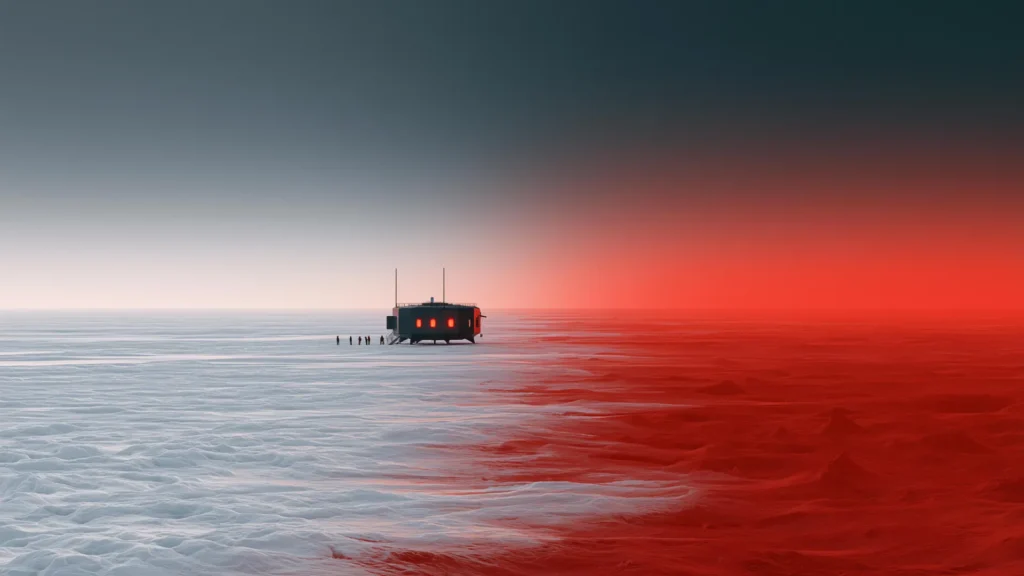
A decade-long study conducted in Antarctica involving 12 researchers has provided insights into the psychological and social challenges that astronauts may face during extended space missions to Mars. The ten-month observation period revealed that prolonged confinement with the same individuals can generate interpersonal friction and erode trust among team members, contrary to assumptions that isolation alone drives crew difficulties.
Researchers documented a concerning pattern where increased daily interaction among participants correlated with rising tension levels throughout the study period. The crew gradually organized itself along linguistic and cultural boundaries, suggesting that constant proximity may amplify rather than diminish differences among group members.
These findings carry significant implications for long-duration space missions, where crews will face similar constraints of isolation combined with mandatory close quarters for extended periods. Mission planners preparing for Mars expeditions will need to account for these social dynamics when selecting personnel and designing operational protocols for deep-space travel.



More Stories
Modern Science Finally Supports & Strengthens Biblical Account of the Crucifixion of Jesus Christ
Nurse Killed in Hit-and-Run Collision in Brooklyn
Jeff Kent Encourages Barry Bonds to Pursue Hall of Fame Induction During Giants Ceremony