


💛 A quick favor, if you've got a second.
We're really happy that you chose to read one of our stories and sincerely hope you'll stick around to read more. We took our paywall down — for now — but that won't last forever, and when the gate goes back up, we'd love for you to already be on the inside.
It's free. So please enter your email here and don't forget to like and follow us on all of your favorite Social Media platforms!
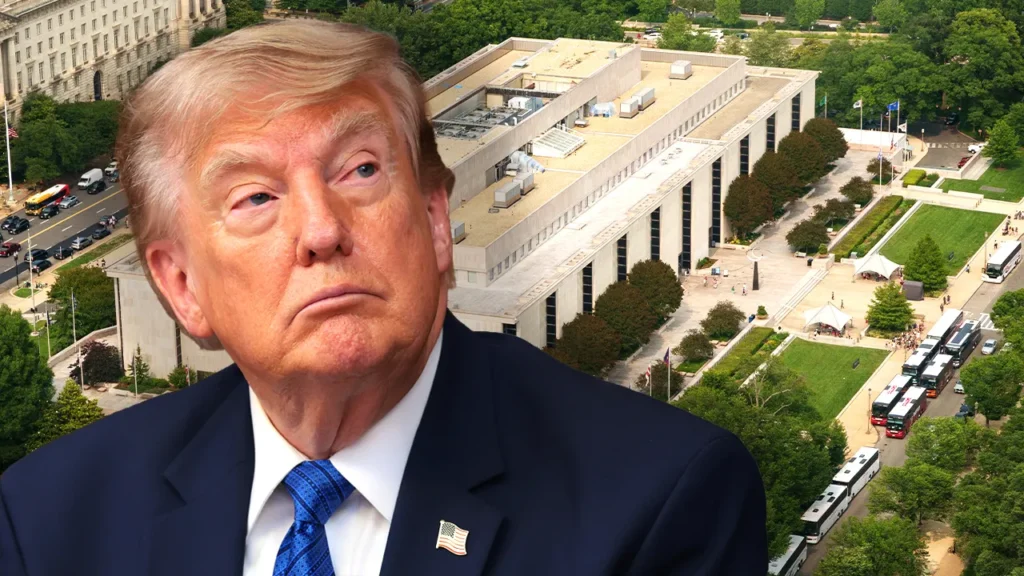
A divisive exhibition at the Smithsonian Institution has drawn renewed scrutiny to the professional trajectories of the curators responsible for the display. The controversy underscores a documented trend in how museum leadership approaches sensitive cultural and historical subject matter, particularly regarding race-focused programming and curatorial decision-making processes.
The exhibit has become a focal point in a broader discussion about institutional accountability and the credentials of those shaping public discourse through museum collections and presentations. Critics argue the selection of curators and their prior work history reveal systematic patterns that merit examination by boards and oversight bodies.
This clash represents one of several high-profile disputes involving major cultural institutions and their handling of politically charged exhibitions. The Smithsonian’s role as a federally supported institution adds another dimension to questions about how public resources support curatorial choices.
The controversy reflects deepening tensions between institutional leadership and external stakeholders regarding curatorial independence versus public expectations for educational balance and historical accuracy in museum programming.



More Stories
Colombia backs Trump security push while limiting U.S. role in anti-gang operations
Trump Threatens FCC Action Against NBC’s Welker Over Endorsement Coverage
Chicago Mayor Issues Executive Order Requiring Contractor Diversity Disclosures and ICE Ties Reporting