

💛 A quick favor, if you've got a second.
We're really happy that you chose to read one of our stories and sincerely hope you'll stick around to read more. We took our paywall down — for now — but that won't last forever, and when the gate goes back up, we'd love for you to already be on the inside.
It's free. So please enter your email here and don't forget to like and follow us on all of your favorite Social Media platforms!
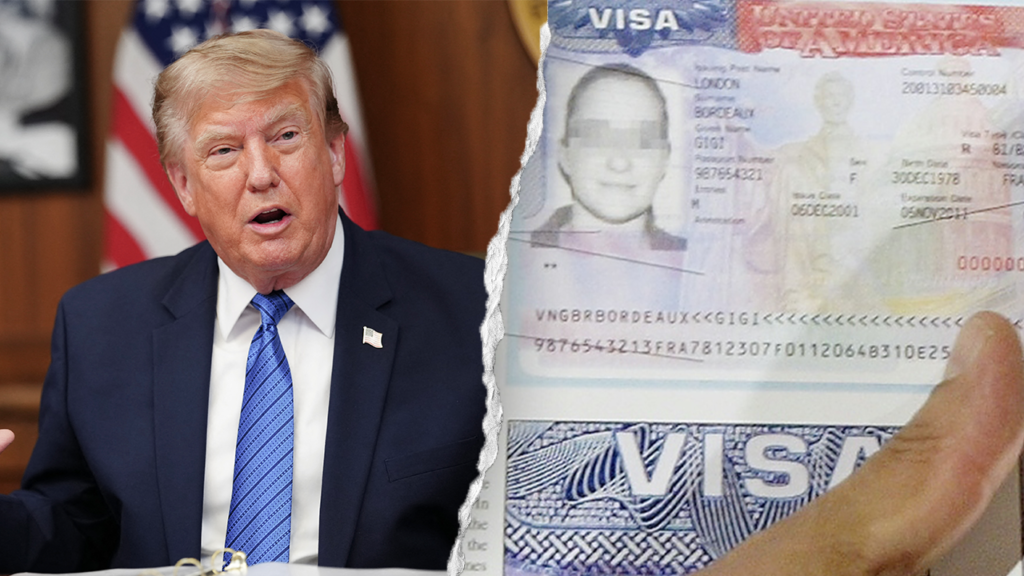
The State Department is characterizing visa revocations as a critical national security tool, contending that removing foreign nationals involved in criminal conduct protects American citizens. State Department spokesperson Tommy Pigott told Fox News Digital that every visa decision carries security implications, whether at borders or within the country’s interior.
In 2025 alone, the Trump administration revoked more than 100,000 visas—a figure more than double those cancelled during President Joe Biden’s final year in office. While visa overstays accounted for the majority of these revocations, Pigott indicated that numerous others resulted from criminal activity, with drunk driving arrests representing a significant portion of those cases.
Pigott cited specific examples of visa holders losing legal status due to DUI-related offenses, including one foreign national who caused injury while intoxicated and another who appeared drunk at a court-ordered DUI program. He emphasized that violating visa terms or threatening national security provides grounds for immediate revocation.
An Oklahoma case highlighted the administration’s focus on this issue. Michael Rosario-Cruz, a 27-year-old living in the U.S. under DACA protections, was charged in May with four counts of second-degree murder after allegedly driving drunk the wrong direction and striking another vehicle, killing four people aged 18 to 20. Immigration and Customs Enforcement placed a detainer on Rosario-Cruz, currently held at Canadian County jail.
Visa revocation represents only the initial step in removal proceedings, according to Pigott. Subsequent actions—including deportation or deportation following prison sentences—depend on whether the Justice Department pursues criminal prosecution and other circumstances in each individual case.
The administration framed its visa policy as continuous vetting extending beyond initial approval. Pigott stated the government would enforce immigration law strictly and maintain what he termed an “America first visa policy” through ongoing oversight of visa holders.

More Stories
Federal voting arrest in New Jersey adds new pressure point in Sherrill-Trump standoff
Colombia backs Trump security push while limiting U.S. role in anti-gang operations
Former NFL cheerleader and ex-aide face off in close Rhode Island GOP primary