

💛 A quick favor, if you've got a second.
We're really happy that you chose to read one of our stories and sincerely hope you'll stick around to read more. We took our paywall down — for now — but that won't last forever, and when the gate goes back up, we'd love for you to already be on the inside.
It's free. So please enter your email here and don't forget to like and follow us on all of your favorite Social Media platforms!
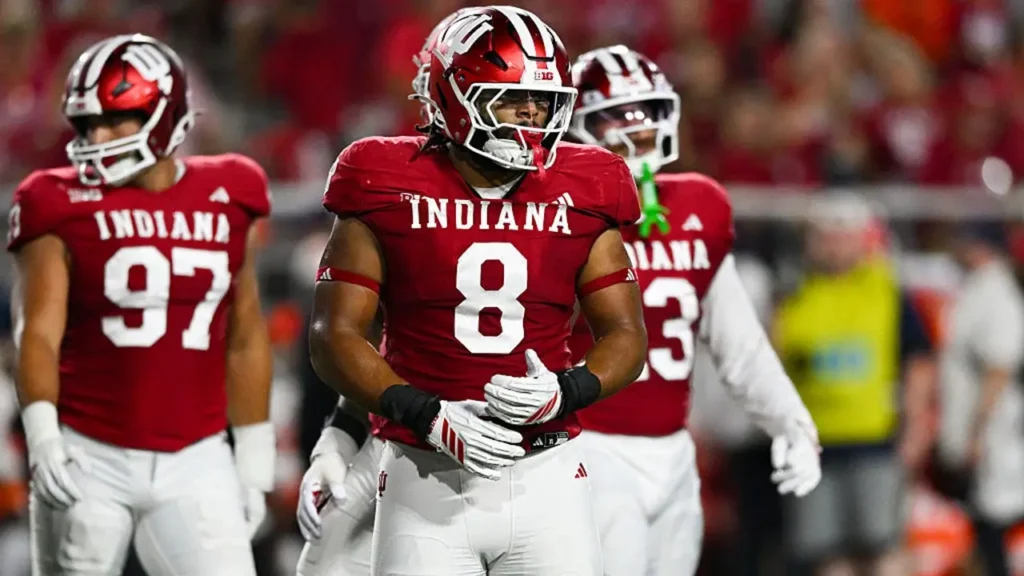
The reigning national champion Indiana Hoosiers have moved to retain star defensive lineman Stephen Daley following a federal court decision that could reshape collegiate athletics rules this season. A Colorado District Court judge issued a preliminary injunction granting an additional year of eligibility to athletes from the 2022 class, upending standard NCAA regulations while the organization pursues an appeal.
Daley, a transfer who had exhausted four seasons of play, sustained a leg injury during last year’s Big Ten championship celebration following Indiana’s victory over Ohio State. The injury prevented him from participating in the 2026 NFL Draft after he led both his conference and team with 19 tackles for loss and 5.5 sacks, making him a priority addition under the new eligibility framework.
The unprecedented legal environment has created significant uncertainty across college football programs. NCAA Chief Legal Officer Scott Bearby has been coordinating daily guidance to member institutions on what roster moves remain permissible, though the organization maintains that any players added during this period could face ineligibility if courts rule in the NCAA’s favor on appeal.
The litigation stems from disputes over the NCAA’s new “Five and Five” rule, which allows athletes five years to play five seasons. Plaintiffs argued that athletes who exhausted eligibility under the previous framework should receive identical protections as those operating under the revised guidelines, ultimately persuading Judge Charlotte Sweeney to grant the sweeping injunction.
Compliance departments nationwide are grappling with roster management decisions while remaining uncertain whether eligibility changes will persist through the upcoming season. Across the sport, coaching staffs have intensified recruitment efforts to identify available players, though many remain hesitant to commit resources without legal clarity.
Lawmakers continue pursuing the “Protect College Sports Act” through the Senate, hoping federal legislation will provide definitive answers. Meanwhile, additional lawsuits at the state level continue multiplying, particularly affecting basketball programs navigating similarly complex eligibility determinations.


More Stories
Federal voting arrest in New Jersey adds new pressure point in Sherrill-Trump standoff
Indiana coach Curt Cignetti tells restless Hoosiers fans not to gripe over 38-0 win
Colombia backs Trump security push while limiting U.S. role in anti-gang operations