

💛 A quick favor, if you've got a second.
We're really happy that you chose to read one of our stories and sincerely hope you'll stick around to read more. We took our paywall down — for now — but that won't last forever, and when the gate goes back up, we'd love for you to already be on the inside.
It's free. So please enter your email here and don't forget to like and follow us on all of your favorite Social Media platforms!
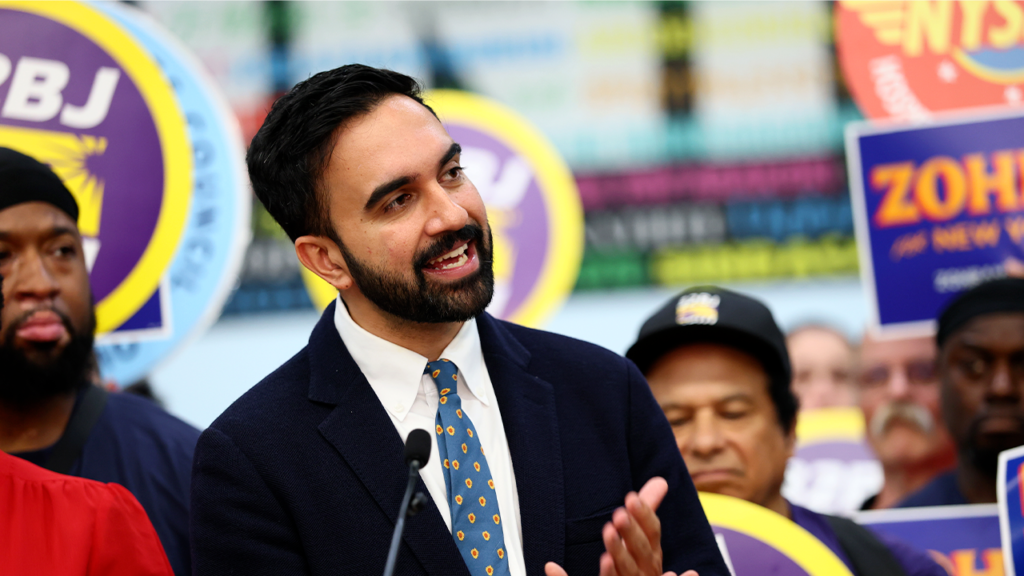
Dana Carvey and David Spade ridiculed New York City Mayor Zohran Mamdani’s approach to taxing second homes on Sunday during Carvey’s “Fly on the Wall” podcast. The comedians took issue with the city’s decision to release a searchable database containing property owner information after the pied-à-terre tax gained approval from the state legislature in May.
Spade expressed concern about the decision to post addresses online alongside the tax proposal, suggesting the move could invite unwanted attention. “You can’t say after he says you should protest in the streets and then say that,” Spade remarked, calling the disclosure “a little weird.” Carvey characterized the database release as “dangerous,” noting that the list included information about residences belonging to well-known individuals.
The pied-à-terre tax imposes an annual surcharge on high-value New York City properties valued above $5 million that are not owners’ primary residences. On July 24, the city published a list of more than 900,000 properties in a supplemental market value roll without initially clarifying that the vast majority would not face the surcharge.
City officials later explained the database served as a state-mandated tool for the Department of Finance to identify approximately 17,000 properties subject to the tax. Mayor Mamdani set a September 18 deadline for property owners to request exemptions if they believe their homes do not qualify.
Steven Fulop, CEO of Partnership for New York City, criticized the rollout as counterproductive. While acknowledging the information was public, Fulop said the aggregated presentation targeted citizens and raised safety concerns by publicizing addresses alongside the shaming narrative around wealth.


More Stories
Federal voting arrest in New Jersey adds new pressure point in Sherrill-Trump standoff
Colombia backs Trump security push while limiting U.S. role in anti-gang operations
Former NFL cheerleader and ex-aide face off in close Rhode Island GOP primary