

💛 A quick favor, if you've got a second.
We're really happy that you chose to read one of our stories and sincerely hope you'll stick around to read more. We took our paywall down — for now — but that won't last forever, and when the gate goes back up, we'd love for you to already be on the inside.
It's free. So please enter your email here and don't forget to like and follow us on all of your favorite Social Media platforms!
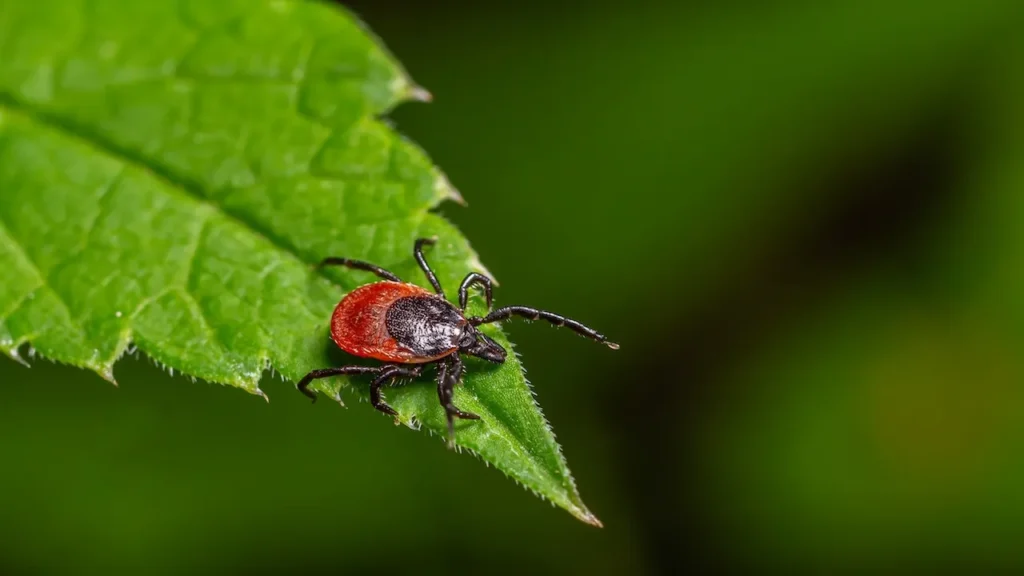
The Suffolk County Department of Health Services has identified three probable cases of tularemia among Long Island residents this year, prompting officials to alert the public about the rare but serious tick-borne infection. Laboratory confirmation of the illness requires specific testing protocols and clinical evidence, with diagnostic procedures sometimes taking several weeks to complete, health officials stated.
One incident involved a 9-year-old who contracted the infection after a tick bite while playing outdoors. The child subsequently experienced high fever, severe head and neck pain, enlarged lymph nodes, body aches and extreme fatigue over nearly a month before an infectious disease specialist made the diagnosis. Although wild rabbits inhabited the family’s yard, the boy had no direct contact with the animals, leading doctors to conclude that infected ticks had likely fed on rabbits before transmitting the bacterium to the child.
Tularemia, caused by the bacterium Francisella tularensis, naturally infects rabbits, hares and rodents but can spread to humans through tick or deer fly bites, direct contact with infected animals, or exposure to contaminated water or aerosols. The CDC classifies the pathogen as a “tier-1 select agent” due to its potential for serious public health consequences.
National surveillance data shows the disease has become increasingly common in recent years. The CDC documented 2,462 cases between 2011 and 2022, representing a 56% increase compared with 196 cases reported in 2023 and the previous decade of 2001–2010. Experts attribute much of this rise to improved detection methods such as PCR testing rather than sole reliance on traditional culture and antibody analysis.
Symptoms vary but typically include chills, headache, fatigue, cough, severe throat pain, vomiting and abdominal pain, with some patients developing localized swelling of lymph nodes, skin ulcers, conjunctivitis or pneumonia. While the mortality rate generally remains below 2 percent, severe untreated cases can prove fatal in up to 24 percent of instances.
Children ages 5 to 9, elderly men, American Indian and Alaskan Native populations, and residents of central U.S. states face elevated risk. Antibiotic treatment is effective, though no vaccine currently exists. Those who hunt or regularly handle rabbits should seek medical attention if symptoms develop.

More Stories
New York Health Officials Sound Alarm Over Rising Measles Cases as School Year Approaches
CareCloud Breach Compromises 3.75 Million Patient Records, Among Largest Healthcare Data Thefts of 2026
Month-Long HEPA Use Linked to Faster Cognitive Processing in Middle-Aged Adults