




💛 A quick favor, if you've got a second.
We're really happy that you chose to read one of our stories and sincerely hope you'll stick around to read more. We took our paywall down — for now — but that won't last forever, and when the gate goes back up, we'd love for you to already be on the inside.
It's free. So please enter your email here and don't forget to like and follow us on all of your favorite Social Media platforms!
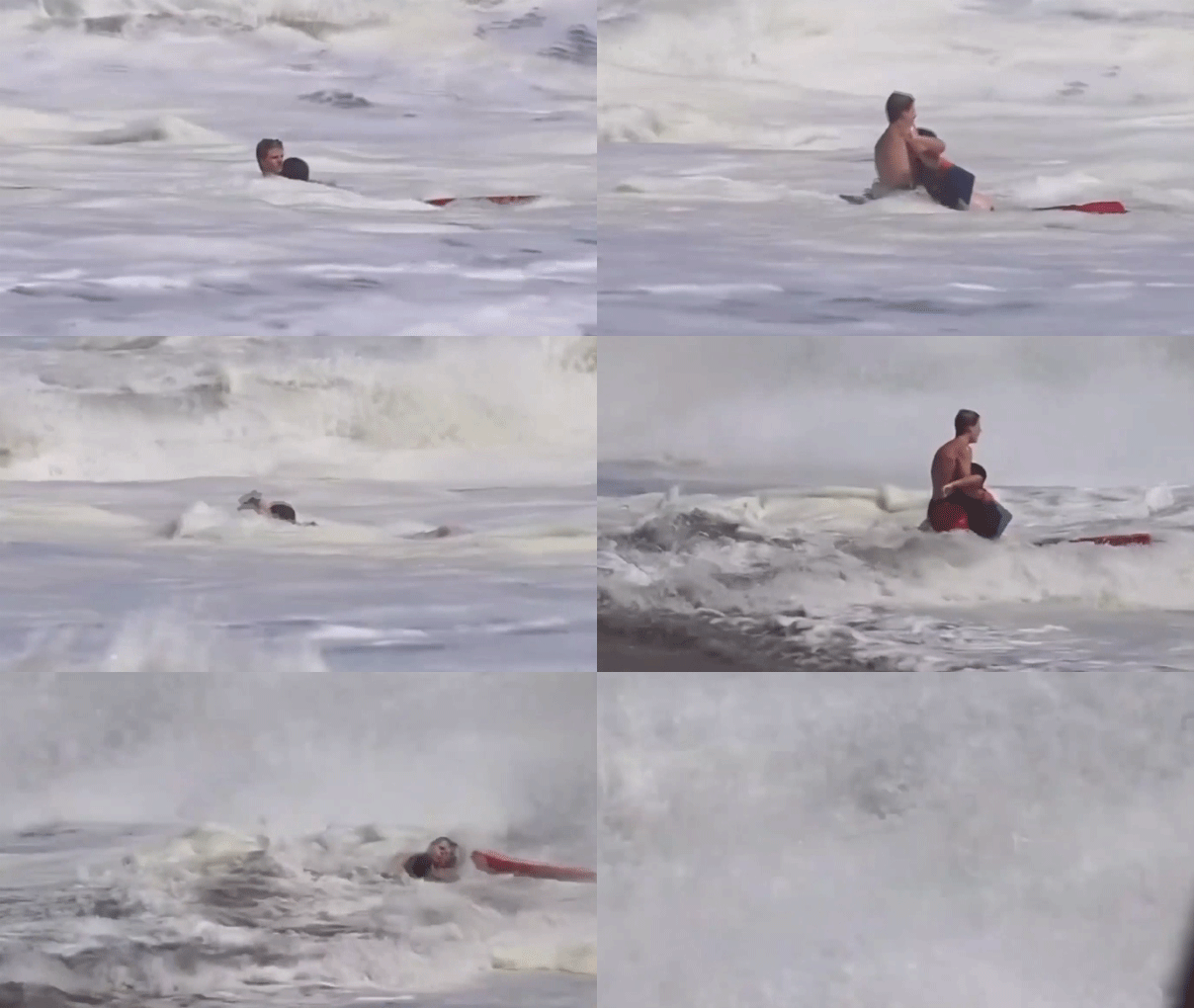
A dramatic rescue at Seabright State Beach in Santa Cruz on July 25 highlighted the treacherous conditions affecting California’s coastline. Lifeguard Ryder Williams, 16, responded to an emergency involving a 10-year-old boy who lost his footing in ankle-deep water and was swept away by powerful surf. President Donald J. Trump subsequently invited Williams and the boy’s family to the White House to recognize the heroic intervention.
The rescue occurred amid an exceptionally dangerous weekend along the California coast, with conditions intensifying further south. Los Angeles County lifeguards executed just under 2,000 ocean rescues as extreme heat prompted millions to seek relief at area beaches. The Los Angeles County Lifeguard Division shared the rescue figures in a social media post, cautioning visitors to exercise vigilance and consult with on-duty lifeguards before entering the water.
Swells from Hurricane Fausto and an anticipated swell from Tropical Cyclone Genevieve combined to create life-threatening conditions across Southern California. The National Weather Service warned of very strong rip and longshore currents affecting Los Angeles and Ventura County beaches. A heat advisory remained in effect across the region as the dangerous surf pattern was expected to persist throughout the week.
Water safety experts cautioned that elevated surf conditions may extend well beyond the immediate weekend. Dr. Molly O’Shea, a pediatrician specializing in water safety, noted that El Niño strengthening combined with tropical swells could sustain elevated surf for weeks. She recommended swimming only near open lifeguard towers and instructed beachgoers to ask lifeguards about conditions before entering the water.
Rescue experts emphasized proper response techniques when someone struggles in dangerous conditions. O’Shea stressed that would-be rescuers should throw flotation devices rather than enter the water without equipment, as many rip current fatalities involve bystanders who attempted rescue and became trapped themselves. When caught in a rip current, swimmers should remain calm and swim parallel to shore rather than fighting against the current’s pull.
Thomas Gill, president of the United States Lifesaving Association, warned beachgoers against underestimating rough water conditions. He noted that elevated surf directly correlates with increased rip current danger and that rescue operations during such periods are far more frequent than most people realize. The National Weather Service advised those unable to escape rip currents to float or tread water while signaling for assistance.



More Stories
Forest Service Proposes Steep Fee Increases at Lake Tahoe Recreation Sites
New York Health Officials Sound Alarm Over Rising Measles Cases as School Year Approaches
Son Discovers Father Missing After Himalayan Disaster in Nepal-Tibet Border Region