



💛 A quick favor, if you've got a second.
We're really happy that you chose to read one of our stories and sincerely hope you'll stick around to read more. We took our paywall down — for now — but that won't last forever, and when the gate goes back up, we'd love for you to already be on the inside.
It's free. So please enter your email here and don't forget to like and follow us on all of your favorite Social Media platforms!
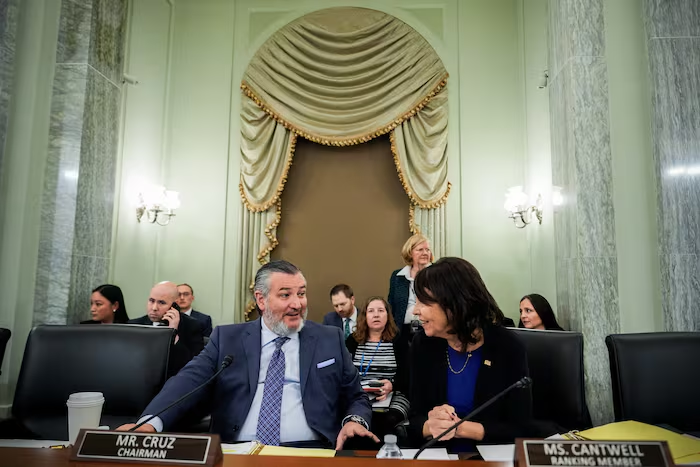
A fundamental dispute over the strength of proposed salary cap restrictions in college sports legislation has stalled negotiations between Senate lawmakers and conference leaders this week. Sen. Ted Cruz, R-Texas, asserted on social media that a proposed $48.8 million salary cap would function as an absolute ceiling with no loopholes, but the Big Ten and Southeastern Conference have declined to endorse the current bill language, suggesting their doubts about whether the measure goes far enough.
The proposed legislation would combine a $21.3 million salary floor with a new $27.5 million retention pool designed to keep athletes on rosters, totaling the $48.8 million figure. Senate negotiators contend the bill’s language already restricts third-party name, image and likeness deals to genuine open-market transactions, eliminating arrangements currently orchestrated by schools’ multimedia rights groups that circumvent existing caps.
Cruz defended the bill’s approach in his statement, arguing that stricter proposals would prevent athletes from endorsement opportunities with companies that maintain separate business relationships with their universities. “That’s not protecting a cap. That’s blocking a kid from selling his own name,” Cruz wrote, rejecting suggestions that any corporate entity conducting business with a school should be barred from signing that school’s athletes.
A letter from negotiators obtained by Yahoo Sports addressed how the legislation handles concerns about the cap potentially exceeding revenue-sharing amounts established in a House settlement governing player compensation. The letter stated that federal statute would supersede settlement provisions if conflicts arise, though plaintiffs’ attorney Jeffrey Kessler indicated he requires sight of the final bill before assessing its implications for the settlement.
The Senate adjourned Thursday without voting on the measure and faces a recess beginning the following Friday, narrowing the window for passage. NCAA President Charlie Baker released a statement urging swift action, calling the bill “our best chance to deliver the benefits and level playing field student-athletes deserve while providing the protections institutions need.”


More Stories
Former NFL cheerleader and ex-aide face off in close Rhode Island GOP primary
Trump Threatens FCC Action Against NBC’s Welker Over Endorsement Coverage
Chicago Mayor Issues Executive Order Requiring Contractor Diversity Disclosures and ICE Ties Reporting