💛 A quick favor, if you've got a second.
We're really happy that you chose to read one of our stories and sincerely hope you'll stick around to read more. We took our paywall down — for now — but that won't last forever, and when the gate goes back up, we'd love for you to already be on the inside.
It's free. So please enter your email here and don't forget to like and follow us on all of your favorite Social Media platforms!
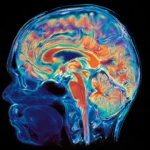
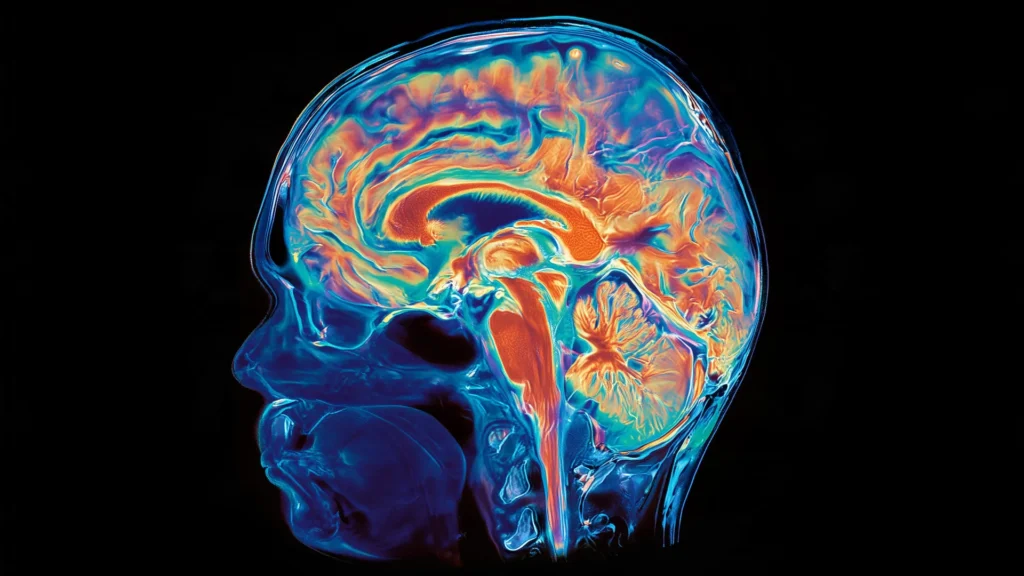
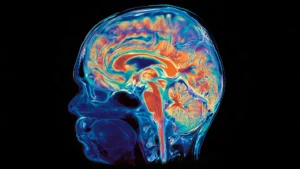
Scientists have found that the human brain develops from two distinct cellular systems, suggesting that evolution fused together two ancient nervous systems with very different jobs. The discovery also allowed researchers to grow human hindbrain neurons in the lab, opening new possibilities for studying ALS, spinal muscular atrophy, and other brainstem diseases.
More Stories
Scientists create a needle-thin brain implant that can do three jobs at once
Florida’s minimum wage increases to $15 this month
World leaders in New York to grapple with climate. Fuel prices, AI and disasters complicate things