


💛 A quick favor, if you've got a second.
We're really happy that you chose to read one of our stories and sincerely hope you'll stick around to read more. We took our paywall down — for now — but that won't last forever, and when the gate goes back up, we'd love for you to already be on the inside.
It's free. So please enter your email here and don't forget to like and follow us on all of your favorite Social Media platforms!
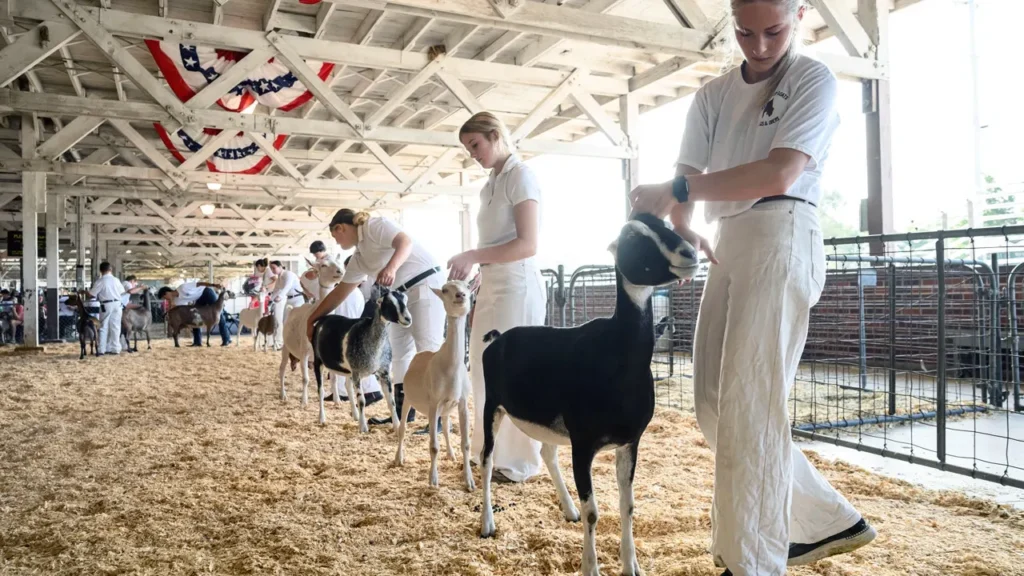
The North Carolina Department of Health and Human Services has issued a public alert after multiple baby goats at Farm Adventures, a mobile petting zoo operating from Harmony, contracted rabies. State officials are directing anyone who had direct contact with the infected animals to seek guidance from their local health department regarding potential preventive treatment.
Farm Adventures operated at its home location and traveled to multiple off-site venues across several counties between July 28 and August 27. The petting zoo identified four infected animals—named Molly, Maggie, Cow and Uno—all of which were euthanized to contain the disease. Event organizers at all venues where the goats appeared are being notified of the exposure risk.
According to Farm Adventures’ statement, a skunk breached the pen housing the young goats, which were too immature for rabies vaccination at the time. The petting zoo operator did not initially realize the animals had been bitten and detected no symptoms of infection. One goat was eventually sent for necropsy, leading to confirmation of rabies at the North Carolina State Laboratory of Public Health.
Rabies remains fatal to humans without medical intervention before symptoms emerge, the Centers for Disease Control and Prevention notes. The virus typically spreads through bites or scratches from infected wildlife, particularly bats, skunks, raccoons and foxes. North Carolina has reported no human rabies cases since 2011, though approximately 100,000 Americans receive post-exposure vaccines annually following potential animal contact.
More Stories
Federal voting arrest in New Jersey adds new pressure point in Sherrill-Trump standoff
Packers Running Back Josh Jacobs Placed on NFL Commissioner’s Exempt List Following Domestic Arrest
Federal Prosecutors Convene Special Grand Jury to Investigate D.C. Schools’ Attendance and Graduation Practices