
💛 A quick favor, if you've got a second.
We're really happy that you chose to read one of our stories and sincerely hope you'll stick around to read more. We took our paywall down — for now — but that won't last forever, and when the gate goes back up, we'd love for you to already be on the inside.
It's free. So please enter your email here and don't forget to like and follow us on all of your favorite Social Media platforms!
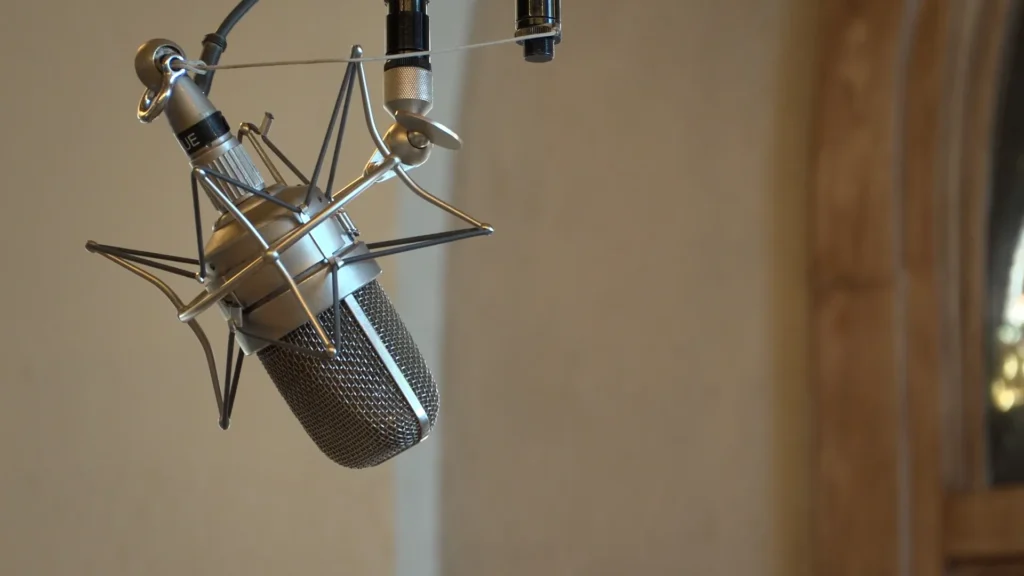
The influx of artificial intelligence-created music is forcing the entertainment industry to confront fundamental questions about artistic authenticity and copyright protection. Data from streaming service Deezer shows that AI-generated music represents approximately 44% of daily downloads, with the algorithmic band Breaking Rust recently achieving number nine status on the Emerging Artists chart following hits “Walk My Walk” and “Livin’ On Borrowed Time.”
Nashville-based country artist Ben Gallaher emphasizes that artificial intelligence cannot replicate the tangible experience of live performance or decades of developed musical skill. Having played guitar since age six, Gallaher argues that human creativity and emotional depth remain irreplaceable elements that AI cannot diminish. He supports strategic AI applications in business operations, such as venue selection based on listener demographics, while firmly opposing algorithmic songwriting presented as original human composition.
Recording studios have begun incorporating AI as a collaborative tool during early production stages, according to Joe Baldridge, director of operations at Ocean Way Nashville. Despite these operational advantages, Baldridge maintains that audiences fundamentally recognize and prefer the authenticity of human-created music over computer-generated alternatives.
The legal landscape currently offers minimal federal protection for human artists competing against AI output. Over 200 musicians signed a 2024 letter through the Artist Rights Alliance opposing algorithmic music creation, while prominent figures including Grimes, David Guetta and Dr. Dre have publicly endorsed AI integration into music production.
Lee Miller, board president of the Nashville Songwriters Association International, warns that inadequate regulation threatens the artistic foundation of music composition. He argues that AI systems essentially replicate existing songwriters’ techniques and styles, fundamentally corrupting what constitutes original artistic creation.
U.S. copyright law maintains a human-centric framework that denies copyright protection to works created exclusively by artificial intelligence, according to entertainment attorney Barry Shrum. This legal structure intentionally incentivizes human creativity to advance cultural development and societal benefit.
Recent industry initiatives seek to address these concerns through transparency measures. The Recording Industry Association of America and International Federation of the Phonographic Industry proposed guidelines requiring streaming platforms to identify AI-generated and AI-assisted tracks in July. Apple Music committed to implementing AI labeling by the end of 2026, while Spotify introduced an “AI Persona” badge for affected artist profiles. SoundCloud currently discloses AI-generated music but prohibits third parties from using artist content to train generative models.
More Stories
Federal voting arrest in New Jersey adds new pressure point in Sherrill-Trump standoff
Colombia backs Trump security push while limiting U.S. role in anti-gang operations
Former NFL cheerleader and ex-aide face off in close Rhode Island GOP primary