


💛 A quick favor, if you've got a second.
We're really happy that you chose to read one of our stories and sincerely hope you'll stick around to read more. We took our paywall down — for now — but that won't last forever, and when the gate goes back up, we'd love for you to already be on the inside.
It's free. So please enter your email here and don't forget to like and follow us on all of your favorite Social Media platforms!
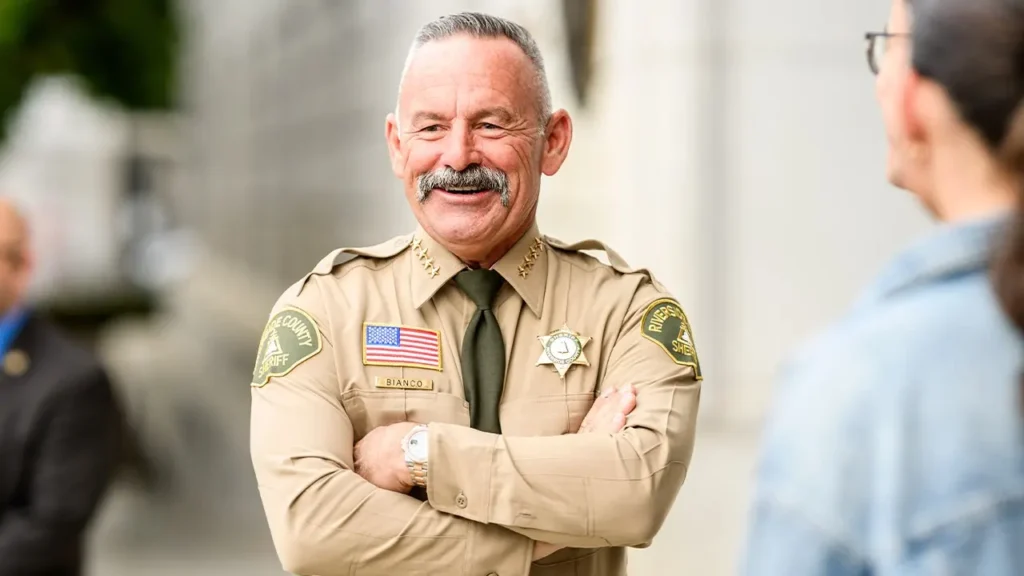
Riverside County Sheriff Chad Bianco maintained his position Monday as the California Supreme Court heard arguments over his authority to retain approximately 650,000 ballots seized from a November 2025 special election on redistricting. The legal showdown pits Bianco against California Attorney General Rob Bonta, who filed a March challenge demanding the ballots be returned. Bianco’s refusal to comply has escalated tensions between county law enforcement and state officials.
Through his attorney Bradley Hertz, Bianco contended that the ballots constitute evidence in an ongoing investigation launched after he received a complaint. Hertz told reporters the sheriff was functioning as a lawful custodian of materials for the court. Bianco asserted outside the courthouse that his investigative approach was legally sound, stating both his chosen method and the state’s preferred route were permissible under law.
The disputed ballots stem from the November 2025 vote on Proposition 50, a legislative redistricting measure that won approval by more than 3.4 million votes according to the California Secretary of State. Bianco questioned the validity of the official tally, suggesting machine counts differed from the physical ballots in his custody and implying the Attorney General’s legal action was designed to obstruct investigation of potential discrepancies.
Bonta argued that Bianco violated clear constitutional and statutory language granting the Attorney General direct supervisory authority over the sheriff. The state official emphasized the willful nature of the non-compliance, remarking that Bianco’s literacy regarding the relevant statutes made his violations more serious. Bianco countered that while the Attorney General possessed power to order specific performance if he failed his duties, Bonta lacked authority to terminate an active investigation.
The UCLA Voting Rights Project joined Bonta’s legal challenge against Bianco’s actions. A decision from the state’s highest court remains pending as the case raises fundamental questions about the balance of power between elected sheriffs and state oversight mechanisms in election administration.

More Stories
Federal voting arrest in New Jersey adds new pressure point in Sherrill-Trump standoff
Colombia backs Trump security push while limiting U.S. role in anti-gang operations
Former NFL cheerleader and ex-aide face off in close Rhode Island GOP primary