


💛 A quick favor, if you've got a second.
We're really happy that you chose to read one of our stories and sincerely hope you'll stick around to read more. We took our paywall down — for now — but that won't last forever, and when the gate goes back up, we'd love for you to already be on the inside.
It's free. So please enter your email here and don't forget to like and follow us on all of your favorite Social Media platforms!
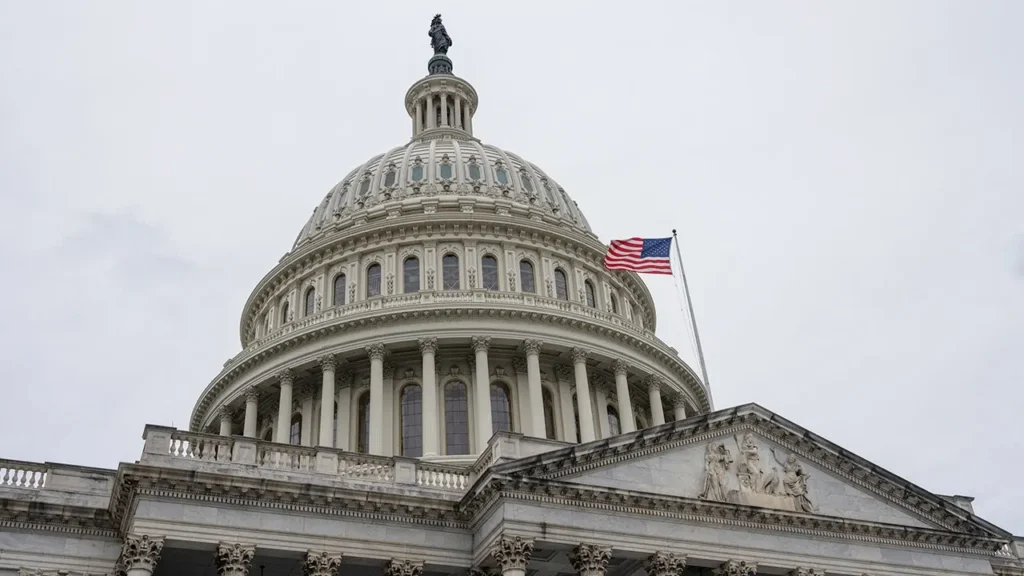
Former basketball coach Bruce Pearl is pushing back against conservative organizations and influencers who have attacked the Protect College Sports Act, arguing their characterizations of the legislation misrepresent its actual language and intent. Pearl, who spent nearly five decades coaching at the college level, contends that the bill explicitly preserves Title IX protections and state laws designed to keep men out of women’s competition, contrary to claims from some right-leaning critics.
Section 127 of the proposed legislation explicitly states that nothing within it will “override, modify, or amend” Title IX, according to Pearl’s analysis. The bill also maintains provisions preventing retaliation against athletes and staff who report discrimination or participate in Title IX proceedings, while establishing that states retain authority to maintain sex-based athletic categories at the college level.
Pearl argues the bill does not create a federal right for biological males to compete in women’s sports, and he notes that the Supreme Court ruled in June that schools may legally exclude men from women’s competitions. The legislation instead establishes uniform national standards for Division I and Division II eligibility related to academics, professional status, legal violations, age and years of participation.
The bill includes financial incentives designed to boost women’s and Olympic sports programs. It creates a $22.5 million athlete-retention fund and allows schools to access an additional $5 million through eligible Name, Image and Likeness investments in women’s, Olympic and non-revenue sports, provided they first invest $5 million in those programs.
Pearl emphasizes the urgency of the matter, noting that 32 Division I Olympic sports programs were eliminated between the announcement of the House settlement and May 2025, with more than 40 additional programs cut between May 2024 and July 2025. He points out that 75 percent of American Olympians competing in 2024 participated in collegiate athletics, underscoring the importance of protecting university sports.
Senators Ted Cruz of Texas and Eric Schmitt of Missouri have advanced the legislation, while President Trump has publicly backed the measure and taken action to restore biological sex distinctions in federal policy. Pearl urges conservative supporters of an America First agenda to unite behind the bill rather than attack its allies, warning that infighting only benefits opponents of stronger college sports governance.
The legislation aims to establish meaningful guardrails around eligibility, transfer policies and Name, Image and Likeness oversight across college athletics. Pearl concludes that while winning individual arguments may feel satisfying, achieving lasting protections for women’s and Olympic sports represents the more consequential victory.

More Stories
Federal voting arrest in New Jersey adds new pressure point in Sherrill-Trump standoff
Indiana coach Curt Cignetti tells restless Hoosiers fans not to gripe over 38-0 win
Colombia backs Trump security push while limiting U.S. role in anti-gang operations