


💛 A quick favor, if you've got a second.
We're really happy that you chose to read one of our stories and sincerely hope you'll stick around to read more. We took our paywall down — for now — but that won't last forever, and when the gate goes back up, we'd love for you to already be on the inside.
It's free. So please enter your email here and don't forget to like and follow us on all of your favorite Social Media platforms!
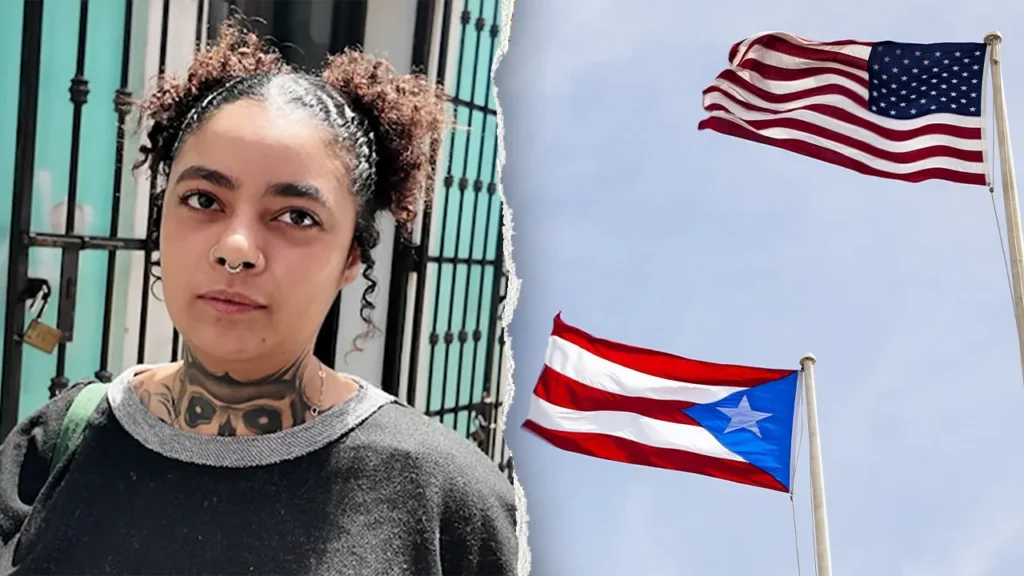
Residents across San Juan have articulated significant reservations about Puerto Rico’s potential admission as the 51st state, citing worries that the transition would destabilize the economy and erode the island’s distinct cultural heritage. Those interviewed highlighted concerns that federal tax policies could impose severe financial burdens on an already economically fragile population, with wages on the island remaining notably low relative to living costs.
The question of statehood for Puerto Rico, an American territory since 1898, continues to divide both federal and local policymakers. A nonbinding referendum conducted in November 2024 showed 59 percent support for statehood, while 29 percent favored independence and 12 percent supported associated independence, a status that would allow selective negotiation of specific issues with the federal government.
The economic implications of statehood represent the central anxiety for many islanders. Currently, Puerto Rico operates under a distinct federal tax framework separate from the states; incorporation would subject residents and businesses to the standard federal tax system, potentially raising costs across the economy for a population already struggling financially.
Gov. Jenniffer González Colón, representing the pro-statehood New Progressive Party and an ally of President Donald Trump, champions the statehood movement as a pathway to equal treatment in federal programs. Opponents, however, expressed concerns about political entanglement with mainland controversies and fears that American cultural influence would further diminish Puerto Rico’s unique identity.
Some residents acknowledged the theoretical appeal of independence while questioning the island’s readiness for self-governance, particularly given its financial dependence on federal funding and the potential economic disruption that separation might trigger.

More Stories
Federal voting arrest in New Jersey adds new pressure point in Sherrill-Trump standoff
Colombia backs Trump security push while limiting U.S. role in anti-gang operations
Former NFL cheerleader and ex-aide face off in close Rhode Island GOP primary