


💛 A quick favor, if you've got a second.
We're really happy that you chose to read one of our stories and sincerely hope you'll stick around to read more. We took our paywall down — for now — but that won't last forever, and when the gate goes back up, we'd love for you to already be on the inside.
It's free. So please enter your email here and don't forget to like and follow us on all of your favorite Social Media platforms!
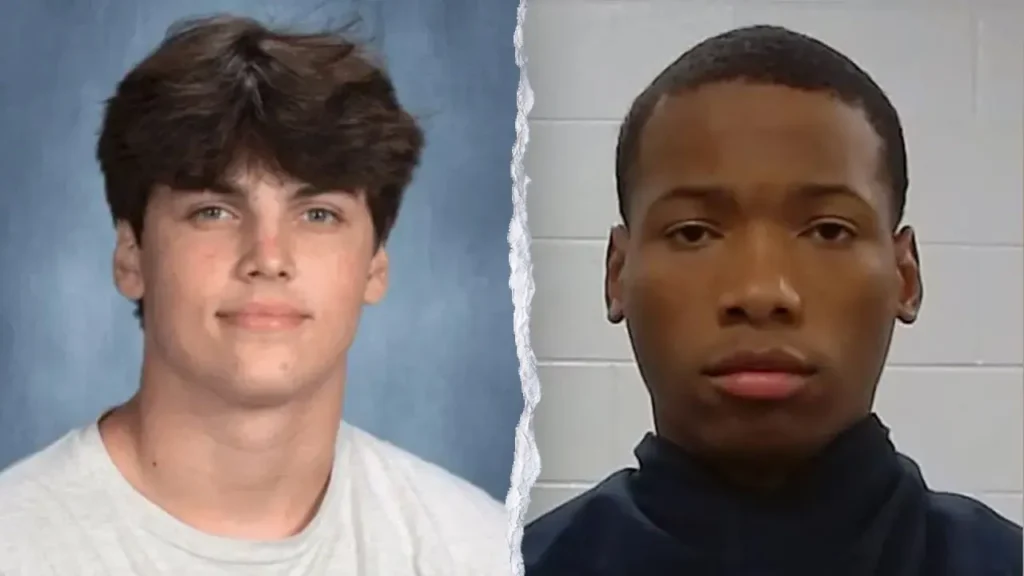
Retired District Judge Michael Chitty rejected Karmelo Anthony’s motion for a new trial on Saturday, declining to overturn the defendant’s murder conviction and 35-year prison sentence. The judge’s written order confirmed he had reviewed all motions, court records, evidence, arguments and relevant case law before making his decision, though the order contained no explanation of his reasoning.
Anthony’s defense team had argued that courtroom restrictions, closed-door hearings conducted without the defendant’s participation, and the disputed handling of an unwritten agreement between his former lawyers and prosecutors violated his constitutional rights. The case will now proceed through the direct appeal process.
The new-trial hearing followed the removal of Judge John Roach, who presided over Anthony’s original murder trial, after another judge found that a reasonable observer could question Roach’s impartiality. Roach had publicly stated the jury “got it right” and defended several of his own trial rulings.
At issue was an oral agreement between Anthony’s original defense attorneys and prosecutors designed to shield potentially damaging character evidence about both sides from the jury. Former lead defense attorney Mike Howard testified he understood the arrangement would permit Anthony to testify about the Frisco track meet confrontation without triggering the release of such evidence.
On the trial’s final day, prosecutors reversed position, asserting the agreement would not apply if Anthony took the stand and that the defense had already opened the door to character evidence. Howard testified this dispute sparked heated exchanges and left Anthony unwilling to testify in his own defense.
Under cross-examination, Howard acknowledged that the attorneys never explicitly discussed whether a testifying defendant would be protected by the arrangement. He also stated he could not determine whether prosecutors had acted in bad faith regarding the agreement’s interpretation.
Lead prosecutor Bill Wirske disputed that any agreement had been broken, testifying that the lawyers never detailed what the arrangement would allow if Anthony testified. Wirske said prosecutors remained prepared to honor the agreement and feared testimony from Anthony or his mother could inadvertently unleash the character evidence both sides wanted excluded.
Anthony, then 19, was convicted in June of fatally stabbing 17-year-old Austin Metcalf during an altercation at a Frisco track meet. A Collin County jury imposed the 35-year sentence, and the judge also considered claims that trial courtroom restrictions violated Anthony’s Sixth Amendment right to a public proceeding.

More Stories
Federal voting arrest in New Jersey adds new pressure point in Sherrill-Trump standoff
Colombia backs Trump security push while limiting U.S. role in anti-gang operations
Former NFL cheerleader and ex-aide face off in close Rhode Island GOP primary