


💛 A quick favor, if you've got a second.
We're really happy that you chose to read one of our stories and sincerely hope you'll stick around to read more. We took our paywall down — for now — but that won't last forever, and when the gate goes back up, we'd love for you to already be on the inside.
It's free. So please enter your email here and don't forget to like and follow us on all of your favorite Social Media platforms!
Ukraine is moving to bolster its domestic weapons production with a newly developed precision-guided glide bomb designed to decrease its dependence on military aid from the United States and Europe. The weapon, designated the Vyrivniuvach or “Equalizer,” was engineered by Ukrainian company DG Industry in partnership with Brave1, a state-supported defense innovation organization. Ukrainian military sources confirmed to Ukrinform that the munition has completed testing and procurement for the armed forces is underway.
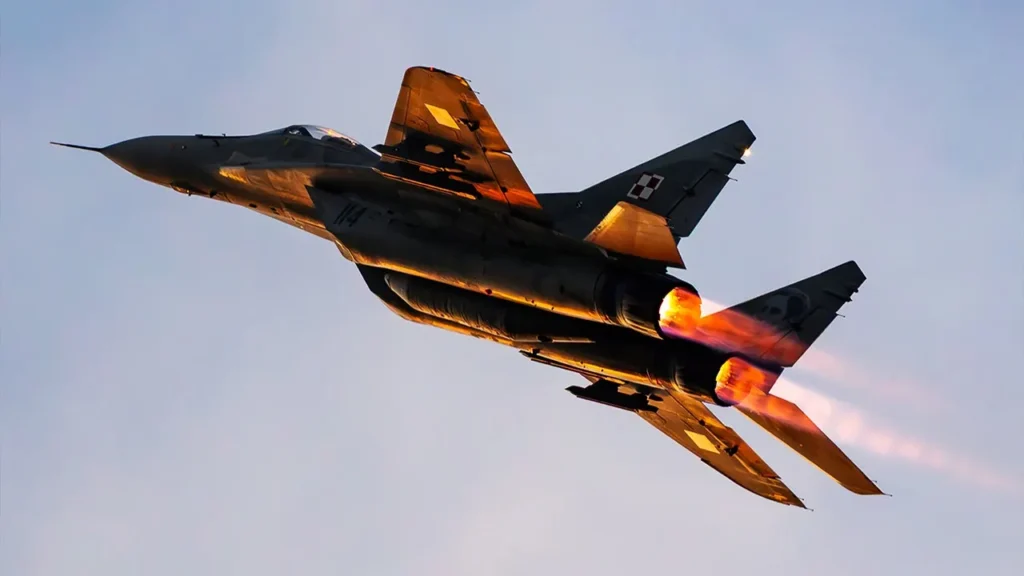
The Equalizer functions by converting standard bombs into guided munitions through the addition of wings and navigation systems. The device is engineered for deployment from Ukrainian MiG-29, Su-24, and Su-27 fighter jets, enabling pilots to conduct strikes at greater distances from Russian positions while maintaining safer separation from air defense systems. Brave1 indicated the weapon could potentially be adapted for use with Ukraine’s acquired F-16 and Mirage fighters, pending certification requirements.
Ukraine has historically depended on foreign-sourced precision munitions, including U.S.-provided JDAM-ER and Small Diameter Bomb kits alongside French-manufactured Hammer systems. The domestic Equalizer offering Kyiv greater autonomy over its guided munitions supply amid ongoing uncertainty surrounding the continuity of foreign military assistance. According to Brave1, approximately 90 percent of the bomb’s components originate from Ukraine, Europe, and the United States, with wings and flight-control software produced domestically and electronic components sourced internationally.
Russia’s intensive use of glide bombs has inflicted significant casualties and infrastructure damage on Ukrainian forces and civilian areas throughout the conflict. Ukraine’s Defense Ministry reported that Russian forces deployed more than 8,300 guided aerial bombs in July, marking the war’s highest monthly total and averaging over 267 daily strikes. A recent Russian barrage combining missiles and drones against Kyiv and surrounding regions killed at least 16 people and wounded approximately 40, damaging residential buildings, educational facilities, and a pediatric hospital.
Ukrainian President Volodymyr Zelenskyy has maintained pressure on Western allies for expanded air-defense capabilities, stating earlier this month that the U.S. committed to providing monthly Patriot interceptor shipments. However, Zelenskyy cautioned that current allocation volumes fall short of Ukraine’s defensive requirements. The timeline for large-scale Equalizer distribution to combat units remains unclear, as does confirmation of operational deployment.

More Stories
Colombia backs Trump security push while limiting U.S. role in anti-gang operations
Federal Prosecutors Convene Special Grand Jury to Investigate D.C. Schools’ Attendance and Graduation Practices
State Department Reissues Level 3 Travel Advisory for Israel Amid Terrorism and Armed Conflict Concerns