

💛 A quick favor, if you've got a second.
We're really happy that you chose to read one of our stories and sincerely hope you'll stick around to read more. We took our paywall down — for now — but that won't last forever, and when the gate goes back up, we'd love for you to already be on the inside.
It's free. So please enter your email here and don't forget to like and follow us on all of your favorite Social Media platforms!
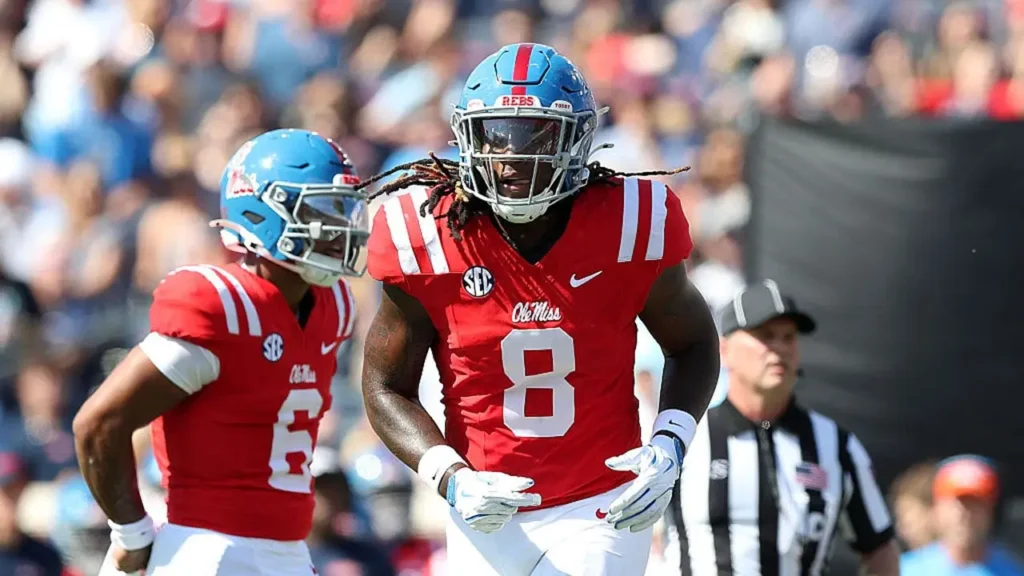
As the college football season approaches, a wave of NFL players are gaining access to the transfer portal through courtroom victories, a development that has created significant uncertainty in how the sport operates. The phenomenon stems from a Louisiana court ruling this week that permits athletes with NFL contracts to potentially rejoin college rosters, marking an unusual intersection of professional and amateur athletics that few anticipated.
The underlying dispute centers on the NCAA’s decision to exclude the 2022 signing class from its newly established five-year eligibility window. Players from that class believed they had exhausted their collegiate eligibility when they declared for the professional draft under previous NCAA rules, only to discover judicial rulings may restore their college eligibility despite their professional experience.
Former Ole Miss tight end Dae’Quan Wright became the first documented case of this phenomenon on Thursday, entering the NCAA transfer portal while under contract with the Cleveland Browns after initially signing with the Philadelphia Eagles. The logistical complexities of his situation—including which institution would formally submit his portal entry and how he could participate without active enrollment—remain unresolved and illustrate the procedural chaos accompanying these court orders.
Louisiana’s 19th Judicial District Court Judge Will Jorden granted a temporary restraining order that establishes a seven-day makeshift transfer portal for affected athletes. Similar victories have occurred in multiple states, with judges consistently finding that the NCAA applied its eligibility rules inconsistently and arbitrarily across different athlete populations.
Former LSU defensive lineman Jack Pyburn, currently competing for a roster spot with the Tampa Bay Buccaneers, represents another player potentially eligible to return to college under court protection. The rulings shield both athletes and schools from NCAA sanctions if players are added to rosters pursuant to valid court orders.
Colleges now navigate a precarious position between enforcing rules they adopted and complying with judicial mandates. Schools adding protected players face no NCAA punishment, though some athletes must repay compensation received during the NFL evaluation process—as happened when Tennessee linebacker Arion Carter repaid $427 for travel expenses before regaining eligibility.
The NCAA continues appealing these decisions while bracing for additional lawsuits from players seeking extended collegiate careers. Industry insiders predict escalating litigation at the state level if federal appeals proceed unfavorably for the organization, potentially enabling teams to add NFL practice squad players through October.
Mounting pressure on the NCAA to issue a blanket waiver for the entire 2022 class has intensified as courts systematically reject the organization’s defense of its eligibility framework. The prospect of NFL rosters serving as de facto minor leagues for college football appears increasingly plausible as this legal war unfolds.

More Stories
Federal voting arrest in New Jersey adds new pressure point in Sherrill-Trump standoff
Indiana coach Curt Cignetti tells restless Hoosiers fans not to gripe over 38-0 win
Colombia backs Trump security push while limiting U.S. role in anti-gang operations