


💛 A quick favor, if you've got a second.
We're really happy that you chose to read one of our stories and sincerely hope you'll stick around to read more. We took our paywall down — for now — but that won't last forever, and when the gate goes back up, we'd love for you to already be on the inside.
It's free. So please enter your email here and don't forget to like and follow us on all of your favorite Social Media platforms!
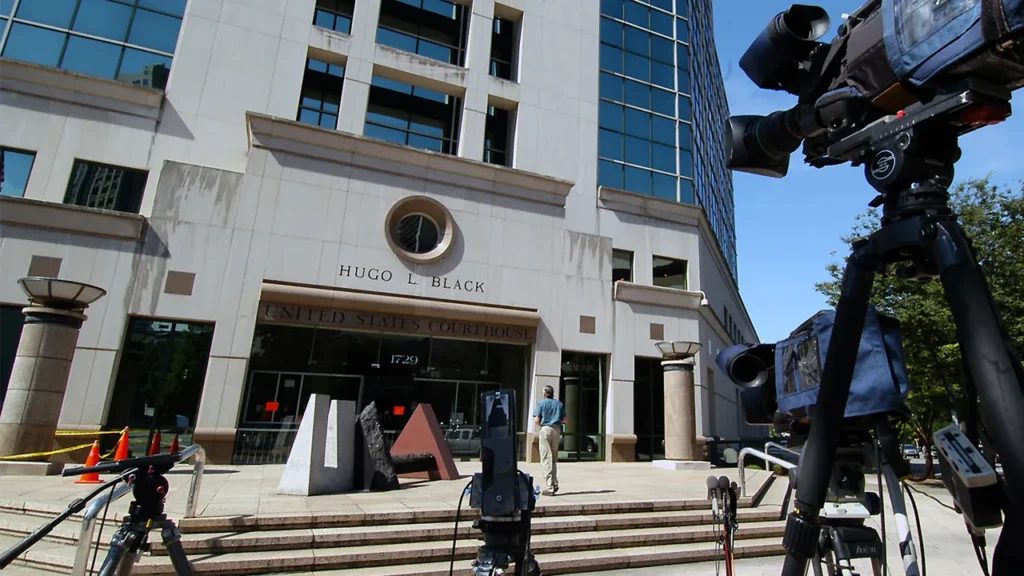
The General Services Administration is mounting a strong challenge to legislation that would transfer significant property management authority from federal administrators to the judicial branch. The bill, introduced July 30 and sponsored by Senators Dick Durbin of Illinois, Kevin Cramer of North Dakota, and John Boozman of Arkansas, would allow courts in up to 10 judicial districts to assume direct control over courthouse facilities and their maintenance operations.
The GSA contends that the judiciary has demonstrated a troubling pattern of mismanaging buildings when given the opportunity. The agency cited a pilot delegation program established in 1988, noting that participating courts incurred substantial repair expenses after accepting greater responsibility for their facilities. When the GSA restructured the program in 2004 to assign participating agencies additional repair obligations, the Judicial Conference voted in 2005 to withdraw, citing cost concerns.
The Hugo Black Federal Courthouse in Birmingham, Alabama, remains the sole facility that continued under judicial management. That building accumulated $57.7 million in delinquent maintenance costs and exhibited serious safety deficiencies, including improper chemical storage, malfunctioning elevator emergency systems, and deteriorated fire protection infrastructure, according to GSA documentation.
Despite holding independent authority over the Birmingham courthouse, the judiciary repeatedly sought GSA technical assistance and relied on the agency’s service contract templates for complex repairs. The Judicial Conference endorsed withdrawing from the delegation program in September 2005 as a cost-saving measure, the records indicate.
The judiciary disputed the GSA’s characterization, stating that federal judges including Julia S. Gibbons and then-Senator Jeff Sessions “enthusiastically praised” the Birmingham courthouse management record during a Senate hearing. An Administrative Office spokesman asserted that courts have successfully managed complex operations including budgets, finances, and information technology systems.
The judicial branch pointed to the GSA’s own maintenance backlog, which has grown to $8.3 billion, leaving courthouses struggling with broken elevators, storm damage, and contaminated water systems. The judiciary emphasized it has “endured 15 years of sustained failure” in federal courthouse maintenance and has no alternative but to seek real property authority.
GSA Administrator Edward Forst attributed the maintenance crisis to a “broken Congressional authorization and appropriations process” rather than management shortcomings. Forst said he is pursuing legislative reforms to expand access to the Federal Buildings Fund and raise the prospectus threshold, claiming these structural changes—not transferring control to the judiciary—will address the problem.
The GSA highlighted the successful completion of a new U.S. Courthouse in Huntsville, Alabama, in 2024, which came in $7 million under budget and incorporates advanced security and energy efficiency features. Multiple Government Accountability Office studies, the agency stated, demonstrate that fragmenting the current management model would increase costs and complexity while reducing accountability and safety.

More Stories
Federal voting arrest in New Jersey adds new pressure point in Sherrill-Trump standoff
Colombia backs Trump security push while limiting U.S. role in anti-gang operations
Former NFL cheerleader and ex-aide face off in close Rhode Island GOP primary