


💛 A quick favor, if you've got a second.
We're really happy that you chose to read one of our stories and sincerely hope you'll stick around to read more. We took our paywall down — for now — but that won't last forever, and when the gate goes back up, we'd love for you to already be on the inside.
It's free. So please enter your email here and don't forget to like and follow us on all of your favorite Social Media platforms!
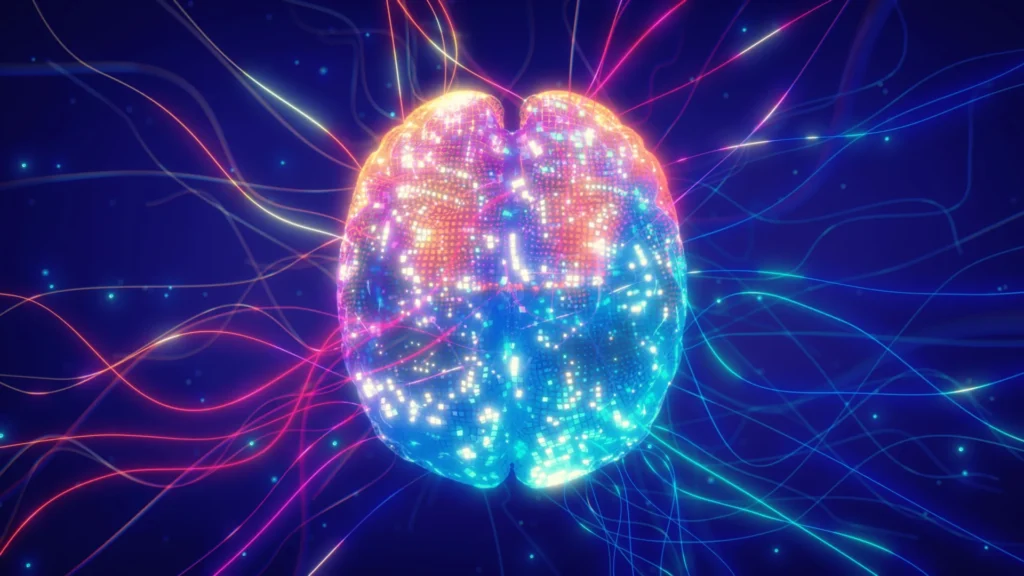
Scientists have uncovered new details about how the brain manages unpredictability and adapts to changing circumstances. The frontoparietal cortex, a critical region for higher-order thinking, continuously modifies its communication patterns with other brain areas based on what information is required for decision-making, according to recent findings.
Rather than simply increasing its level of activity when faced with complex tasks, this neural network undergoes structural reorganization in response to real-time demands. The discovery reveals that the brain employs a more sophisticated strategy than previously understood for navigating uncertainty and processing novel situations.
This research expands scientific understanding of how the frontoparietal cortex functions as an information processing hub. The findings suggest that cognitive flexibility depends on dynamic shifts in how different brain regions interact, rather than on static increases in neural activity alone.

More Stories
New York Health Officials Sound Alarm Over Rising Measles Cases as School Year Approaches
CareCloud Breach Compromises 3.75 Million Patient Records, Among Largest Healthcare Data Thefts of 2026
Month-Long HEPA Use Linked to Faster Cognitive Processing in Middle-Aged Adults