

💛 A quick favor, if you've got a second.
We're really happy that you chose to read one of our stories and sincerely hope you'll stick around to read more. We took our paywall down — for now — but that won't last forever, and when the gate goes back up, we'd love for you to already be on the inside.
It's free. So please enter your email here and don't forget to like and follow us on all of your favorite Social Media platforms!
A policy blueprint released by a prominent conservative organization backed by former Vice President Mike Pence tackles rising housing, food and energy costs with 10 proposals centered on deregulation and increased production. The Advancing American Freedom group has positioned affordability as the defining issue for American voters heading into the midterm elections, as both major parties compete to demonstrate solutions to the cost-of-living squeeze.
Richard Stern, vice president of the Plymouth Institute for Free Enterprise at AAF, argued that government overreach has created the current affordability crisis. The report, titled “10 Ways to Improve Affordability Now Across 10 Levels of the Economy,” targets regulatory barriers in housing, energy and business sectors while proposing reforms to Social Security and SNAP eligibility programs.
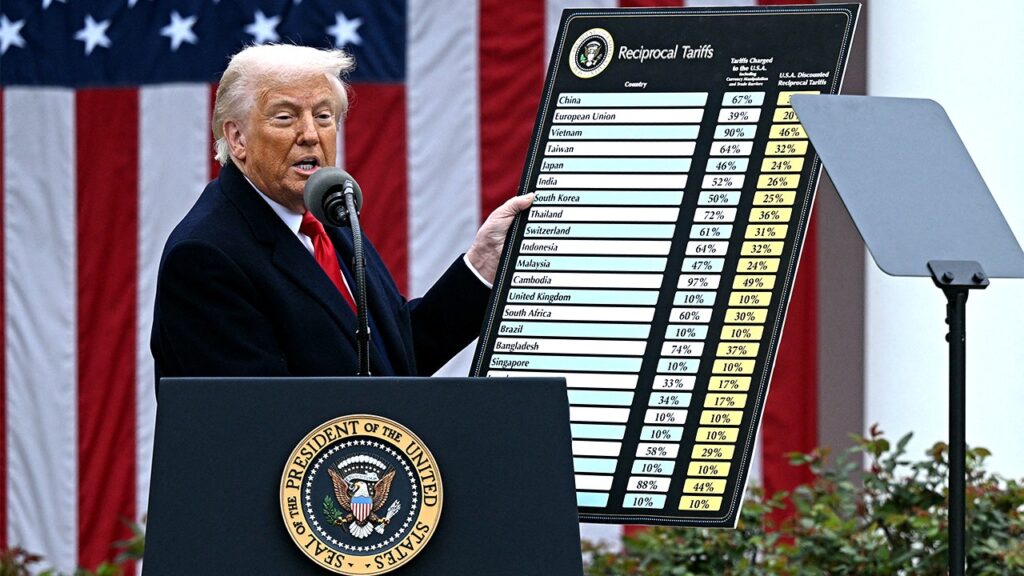
The conservative agenda notably diverges from President Donald Trump’s economic platform on two significant issues. The group contends that Trump’s expansive tariff regime has raised consumer prices, weakened international relationships and eliminated nearly 900,000 jobs, calling instead for Congress to reclaim tariff authority from the executive branch.
Tariff revenues surged dramatically in January, reaching $30.4 billion compared to $8.9 billion in the same month the previous year, Treasury data shows. The AAF also opposes Trump’s proposed 10% cap on credit card interest rates, warning that such a restriction would make lending unprofitable for approximately 60% of Americans.
On housing, the group targets zoning restrictions blamed for inflating home prices and pushing younger families away from job centers. Government regulations account for roughly 26% of new single-family home costs, according to the National Association of Home Builders, prompting the proposal to tie approximately $50 billion in annual federal housing assistance to zoning reform.
The affordability blueprint emphasizes expanded domestic energy production as a pathway to lowering costs across the economy. Stern argued that greater oil and gas leasing and rejection of state fracking prohibitions could reduce expenses throughout the broader economy since energy costs ripple through all goods and services.

More Stories
Former NFL cheerleader and ex-aide face off in close Rhode Island GOP primary
Trump Threatens FCC Action Against NBC’s Welker Over Endorsement Coverage
University of Pennsylvania Climate Scientist Demands Supreme Court Packing Pledge From Democratic Candidates