


💛 A quick favor, if you've got a second.
We're really happy that you chose to read one of our stories and sincerely hope you'll stick around to read more. We took our paywall down — for now — but that won't last forever, and when the gate goes back up, we'd love for you to already be on the inside.
It's free. So please enter your email here and don't forget to like and follow us on all of your favorite Social Media platforms!
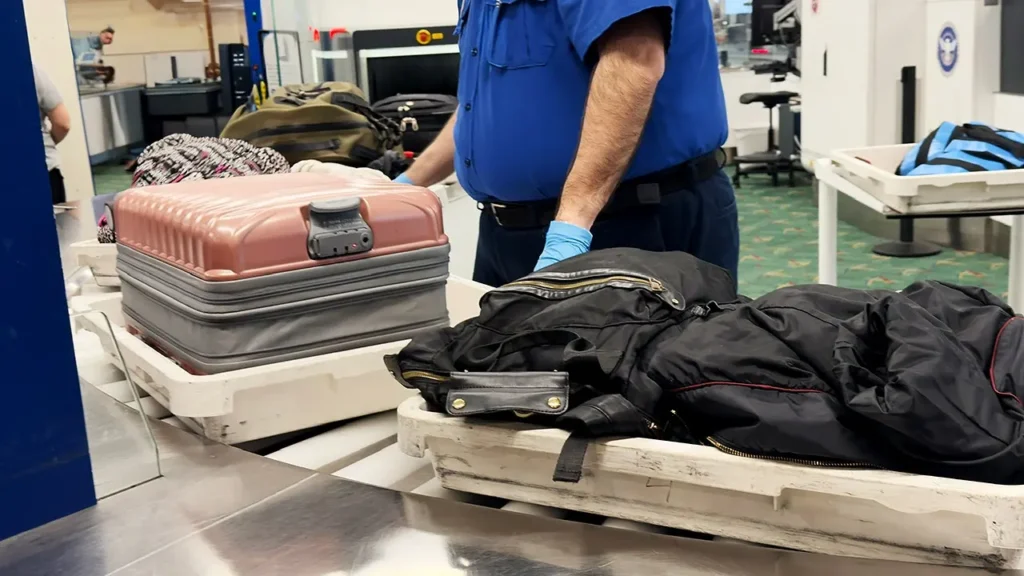
Japanese customs officers at Haneda Airport arrested a 23-year-old Mexican national on August 8 after uncovering a shipment of roughly 200 lizards concealed within 22 pairs of socks packed in his suitcase. The man had arrived from South Korea when airport authorities discovered the illicit cargo during routine baggage screening. One of the reptiles was found dead upon inspection of the luggage.
Among the confiscated animals were nine Mexican alligator lizards, a species subject to strict international trade restrictions due to its endangered status. The suspect claimed he purchased each lizard in Mexico for between $3.50 and $4.70, yet these same reptiles command prices up to $630 in the Japanese market, creating a substantial financial incentive for the smuggling attempt.
Keith Jeffries, a former federal security director at Los Angeles International Airport and current vice president of K2 Security Screening Group, emphasized that profitable markets drive smuggling schemes. “If there’s a market for it, people will attempt to smuggle it,” Jeffries, based in Orlando, told Fox News Digital, noting such incidents occur far more frequently than security professionals prefer.
U.S. Transportation Security Administration screening protocols focus primarily on aviation threats such as weapons and explosives rather than wildlife trafficking or contraband goods. Jeffries explained that TSA directives target specific security risks with narrow parameters, leaving wildlife interdiction largely to specialized agencies at international borders.
Similar smuggling attempts have surfaced recently, including a separate seizure in which U.S. Customs and Border Protection officials intercepted nearly 100 pounds of prohibited meat, plants, and wildlife products from Thailand-bound luggage. A CBP detection dog named Maisy alerted officers to the suitcase containing 50 pounds of meat, 33 pounds of produce, and approximately 16 pounds of Bengal monitor lizard, which was transferred to the U.S. Fish and Wildlife Service.

More Stories
Federal voting arrest in New Jersey adds new pressure point in Sherrill-Trump standoff
Colombia backs Trump security push while limiting U.S. role in anti-gang operations
Packers Running Back Josh Jacobs Placed on NFL Commissioner’s Exempt List Following Domestic Arrest